


Tracking competitive gaming popularity across different global regions provides crucial insights for developers, tournament organizers, and gaming enthusiasts alike. Many industry newcomers assume that competitive gaming trends remain identical across every international market and gaming platform.
However, ignoring distinct regional preferences often leads to failed event launches, poor audience engagement, and wasted marketing investments.
Asian gaming markets often demonstrate immense enthusiasm for mobile esports titles, while Western regions historically favor complex PC esports disciplines.
Understanding these geographical variations helps event managers schedule broadcasts at ideal local hours and offer tailored regional commentary feeds.
Modern analytics tools continuously collect concurrent viewership figures, total watch hours, and active player counts across every major competitive title. This rich data empowers media companies to make smart decisions when expanding their gaming tournament footprints into emerging markets.
Analyzing regional trends allows content creators to produce highly targeted video streams that resonate deeply with local gaming communities.
Moving forward, keeping a close eye on global competitive gaming metrics gives you a massive advantage in navigating the rapidly changing digital entertainment landscape.
A. Examine Regional Platform Preferences To Target Active Player Communities

Examining regional platform preferences helps tournament organizers choose the right gaming ecosystem for their competitive event broadcasts.
Gamers in specific geographic territories lean heavily toward dedicated PC hardware, while players in other regions prefer mobile smartphones or home consoles.
For instance, high mobile phone penetration across emerging markets drives massive competitive engagement for titles designed specifically for touchscreens.
Understanding these platform divides prevents organizers from hosting PC tournaments in regions where mobile gaming completely dominates daily user activity. Tailoring your event infrastructure to local hardware preferences ensures high local player participation and stronger regional audience numbers.
From my perspective, you can easily solve low player registration by surveying local gaming communities about their primary hardware setups before announcing events. Switching your tournament focus toward mobile platforms in smartphone-heavy markets instantly unlocks massive grass-roots participation.
This strategic alignment solves your tournament attendance problems directly, delivering a highly engaged player base for every local event. It guarantees that your competitive gaming infrastructure aligns perfectly with the actual hardware capabilities and daily habits of local gamers.
B. Leverage Localized Broadcast Commentary To Boost Viewer Engagement
Leveraging localized broadcast commentary allows streaming networks to build strong emotional connections with diverse international audience segments.
Simply broadcasting a single English commentary stream often alienates non-English-speaking fans who want culturally authentic tournament analysis. Partnering with popular regional casters introduces your competitive event to established local gaming fan bases almost overnight.
Local commentators bring unique regional humor, localized slang, and deep knowledge of home-town esports teams into the official broadcast. Delivering culturally tailored broadcast experiences significantly increases average watch times and keeps live chat rooms vibrant throughout tournament weekends.
I observe that you can smoothly resolve viewer drop-offs by offering official co-streaming rights to trusted regional commentators and influencers. Giving local casters full freedom to stream your tournament feeds in their native languages builds instant rapport with regional fans.
This localization strategy solves your viewer retention challenges completely, transforming casual foreign viewers into loyal, enthusiastic broadcast supporters.
It ensures your competitive gaming events deliver memorable, culturally rich experiences that keep international audiences coming back for every major match.
C. Optimize Tournament Schedules For Peak Local Time Zones
Optimizing your competitive tournament schedules around peak local time zones ensures maximum live viewership across targeted geographic regions. Hosting live tournament matches during the middle of the night in your primary market drastically cuts your concurrent viewer numbers.
Scheduling prime-time broadcast hours for specific regions allows fans to watch live matches without sacrificing their normal work or school routines.
When running global events, dividing tournament schedules into distinct regional qualifiers ensures fans from every time zone enjoy live prime-time coverage. Careful schedule planning protects your broadcast metrics while offering convenience to competitive gaming fans globally.
The truth is that running staggered tournament schedules with dedicated regional air times solves your broadcast timing conflicts effortlessly. Staggering your match times allows viewers in different parts of the world to tune in during their local evening prime time.
This scheduling adjustment solves your low concurrent viewership problems beautifully, capturing peak live traffic from multiple time zones in parallel. It delivers a seamless, viewer-friendly broadcast framework that maximizes your live audience potential across every target continent.
D. Analyze Game Genre Dominance Across International Territories
Analyzing game genre dominance helps developers and media companies predict which competitive titles will succeed in specific international markets. First-person shooters might dominate fan interest in certain regions, while multiplayer online battle arenas hold top popularity elsewhere.
Cultural factors, local internet infrastructure quality, and regional gaming cafe culture heavily influence which game genres take root. Identifying these genre preferences allows tournament planners to invest their prize pools into games that already enjoy massive regional popularity.
Tracking genre trends ensures your event budget yields maximum audience engagement and high local sponsor interest.
I believe that reviewing regional streaming leaderboard metrics before investing in tournament prize pools solves your market misallocation risks entirely.
Redirecting your event funding toward game genres that already boast strong local player bases guarantees enthusiastic fan participation and high viewership. This market-driven approach solves your genre promotion challenges, aligning your competitive events with authentic regional gaming demand.
It provides the ultimate foundation for sustainable event growth, ensuring your gaming investments deliver high audience returns continuously.
E. Monitor Mobile Esports Expansion In Emerging Digital Markets
Monitoring mobile esports expansion provides clear visibility into the fastest-growing competitive gaming sectors across modern emerging digital markets.
Smartphone accessibility and affordable mobile data plans allow millions of new players to join competitive gaming ecosystems without buying expensive consoles.
Dedicated mobile esports leagues now pack major stadiums and break concurrent online viewership records across developing nations regularly. Establishing early brand presence within these booming mobile gaming regions secures long-term market dominance as local esports ecosystems mature.
Tracking mobile competitive growth empowers gaming organizations to tap into massive, highly passionate new fan bases.
You can easily capitalize on this massive market shift by creating dedicated mobile esports rosters and hosting regional mobile tournaments. Supporting mobile gaming communities early builds deep brand loyalty among young, mobile-first gamers who represent the future of digital entertainment.
This proactive market expansion solves your audience growth limits, opening up rapid user acquisition channels across high-growth international territories. It gives your gaming organization an essential competitive edge, positioning your brand at the forefront of global esports evolution.
Conclusion
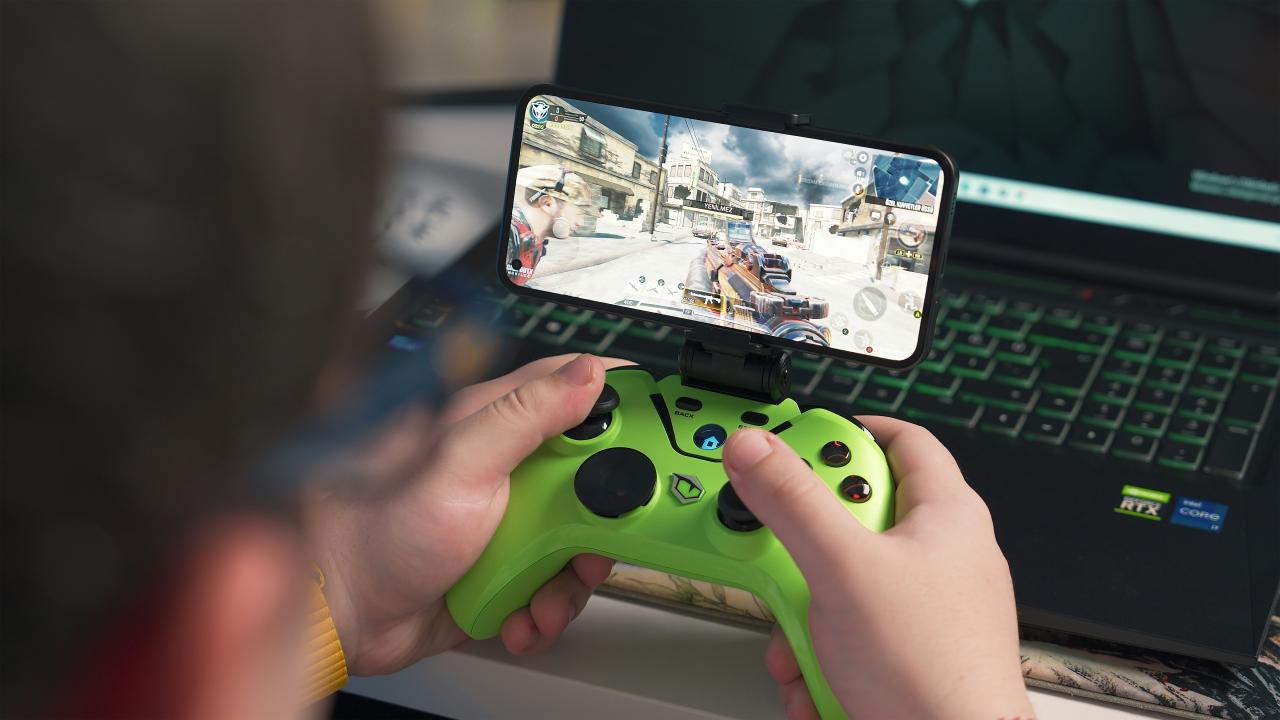
Tracking competitive gaming popularity across regions provides the ultimate strategy for growing digital audience engagement today. Understanding regional market dynamics removes the guesswork from hosting international esports events and publishing competitive games.
You can build an exceptionally strong global gaming presence by tailoring your events around regional player preferences. Examining regional platform preferences eliminates the frustrating problem of launching tournaments on hardware systems that local players rarely use.
Continuous audience data tracking guarantees that your event format aligns perfectly with local gaming habits always. Trust these targeted platform choices to keep your player participation high while expanding your regional brand footprint.
Leveraging localized broadcast commentary solves the common issue of foreign language barriers driving viewers away from official streams. Partnering with local casters ensures that your tournament broadcasts deliver authentic, culturally relevant entertainment to international fans daily.
Optimize tournament schedules for peak local time zones to capture maximum live concurrent viewers across every operating market smoothly. Analyzing game genre dominance prevents wasted promotional budgets by ensuring you invest directly in games that regional audiences already love.
Monitor mobile esports expansion in emerging digital markets to secure long-term brand growth across the fastest-growing global gaming communities.

