Introduction: The Evolving Chess Match of Tactical Shooters
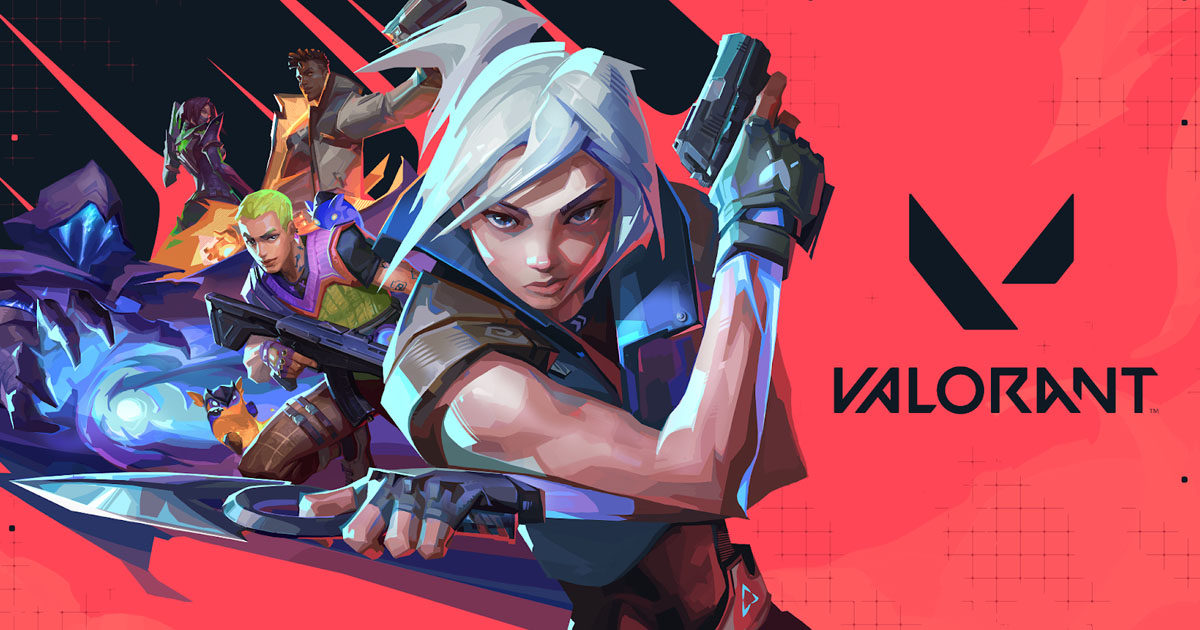
Valorant is often viewed as a game defined by sharp aim and lightning-fast reflexes, but at its core, it is a complex, high-stakes tactical chess match played in real time. The strategies that define success at the highest ranks are constantly evolving, driven by agent balancing, map design changes, and the sheer ingenuity of professional players. In the early days of the game, victory often relied on coordinated five-player rushes onto a single site, overwhelming the defense with utility and sheer firepower.
However, as the competitive scene has matured, opponents have become adept at counter-utility and retake setups, forcing offensive teams to find more creative, less predictable ways to breach defenses. This need for strategic diversification has brought about the resurgence of what is best described as Split Pressure—the tactical equivalent of the classic split push from MOBA games—where the attacking team divides its forces to apply simultaneous, high-intensity pressure on multiple entry points. This strategy preys on defenders’ limited resources and forces them into uncomfortable reactive positions, significantly increasing the probability of a successful site execution.
Pillar 1: Understanding the Concept of Split Pressure
In the context of Valorant, the term Split Push is adapted to mean Split Pressure or Dual-Site Pressure. It is a strategy designed to exploit the limitations inherent in the game’s defensive structure.
A. The Core Principle: Forcing a Choice
The fundamental goal of a split pressure strategy is to create a situation where the defending team must make an immediate, difficult choice with incomplete information.
-
Exploiting Defensive Coverage: A defending team typically divides its five players across two or three bomb sites, creating vulnerability on any single point.
-
The Flanking Threat: By sending one or two agents to pressure a secondary site or a distant flank, the attacking team forces defenders to commit valuable resources (utility, players) to cover that area.
-
Opening the Main Site: The primary goal is not to execute on the split side, but to draw players and utility away from the main site, making the main push significantly easier.
B. The Necessary Agent Roles
Split pressure relies heavily on agents who can survive alone, gather information quietly, and use utility efficiently to delay or deter rotations.
-
The Lurker/Flanker (Initiator/Duelist): This agent operates alone, typically using smoke or mobility to gain deep map control. Agents like Yoru or Reyna are excellent lurkers due to their ability to surprise and win isolated duels.
-
The Information Gatherer (Sentinel/Initiator): Agents like Cypher or Sova are ideal for the secondary role, using cameras, drones, or tripwires to confirm enemy positions without direct engagement.
-
The Main Force Controller (Controller/Initiator): The remaining three players push the main site, using controllers like Viper or Omen to obscure defender vision and entry points once the flank pressure begins.
C. Resource Disparity Exploitation
This strategy is highly effective because it abuses the limited nature of defensive utility in Valorant.
-
Utility Drain: A simple fake push or well-timed flash on the split side forces defenders to use grenades, traps, or mollies to repel the perceived threat.
-
Rotation Delay: By engaging in a brief skirmish or deploying debilitating utility on the split side, the lurker can slow down the vital rotations needed to reinforce the main site.
-
Economic Advantage: If the lurker forces a defender to use a highly valuable ultimate or expensive utility, the main push gains an economic edge for the next round.
Pillar 2: Tactical Advantages in the Latest Valorant Meta
The latest balancing changes and map rotations have created an environment where split pressure is not just viable, but often the optimal default strategy for the attacking side.
A. The Buffs to Lurking Agents
Recent adjustments have subtly empowered agents specializing in single-point pressure and stealth.
-
Yoru’s Teleport Utility: Improvements to the speed and auditory discretion of Yoru’s Gatecrash ability allow him to apply pressure on the flank and instantly rejoin the main team push, making defender commitment risky.
-
Cypher’s Surveillance: Changes to Cypher’s Tripwire and Camera placement make his information gathering more reliable, allowing the lurker to operate with confirmed knowledge of rotational pathways.
-
Reyna’s Duel Potential: If Reyna is used as the lurker and secures an opening kill, her Dismiss ability allows her to survive the 1v1 and escape, leaving the site shorthanded and vulnerable.
B. Map Design and Rotational Vulnerabilities
The current map pool features designs that naturally encourage and reward multi-site pressure.
-
Mid-Map Control: Maps with crucial mid-map control (e.g., Ascent, Split) are essential for split pressure, as controlling the middle allows attackers to rapidly commit to either site at the last second.
-
Long Rotation Routes: On maps where the distance between sites is large (e.g., Breeze, Haven), forcing defenders to rotate is more punishing, as they lose valuable seconds covering the distance.
-
Chokepoint Density: When a map features multiple tight chokepoints, the split team can use minimal utility to lock down the flank, preventing defenders from counter-flanking the main push.
C. The Dominance of Area-Denial Controllers
The popularity of Controllers who excel at blocking vision, like Viper and Harbor, facilitates effective splitting.
-
Permanent Site Blocking: Viper’s massive, persistent walls allow the main team to completely shut down a site, making a quick plant possible even when outnumbered 3v2.
-
Global Smokes: Agents like Omen and Brimstone have utility that can be deployed globally, allowing the main team to set up smokes on one site while the lurker is distracting on the other.
-
Post-Plant Defense: These Controllers also transition seamlessly into post-plant defense, leveraging their utility to delay the retake, giving the lurker time to rotate and flank the retaking defenders.
Pillar 3: Execution: The Art of the Split Pressure Play

Successfully executing a split pressure strategy requires impeccable timing, disciplined communication, and a clear understanding of when to abandon the fake and commit to the real push.
A. The Setup Phase (Early Round)
The beginning of the round is dedicated to gaining map control and establishing the lurker’s position.
-
Default Structure: The team establishes a “default” spread, usually 2-2-1 or 3-1-1, where the lurker gains a key piece of information or controls a crucial side flank.
-
Quiet Movement: The lurker moves with extreme care, avoiding loud steps or unnecessary utility usage that might reveal their position prematurely.
-
Economy Monitoring: The IGL (In-Game Leader) constantly monitors the opponent’s economy to predict which site the defenders are likely stacking, informing the eventual commit.
B. The Pressure Phase (Mid Round)
This is the period where the attack begins, and the lurker’s distraction utility is deployed.
-
Coordinated Noise: The main team makes a concerted effort to create a commotion near one site (using flashes, movement, and a few bullet sprays) without committing to the push.
-
The Flank Bait: Simultaneously, the lurker uses a small piece of utility (a single flash, a single molly, or a brief peek) on the far side, forcing defenders to check that angle.
-
Information Relay: The lurker’s most critical job is to relay precise information: “Two enemies just rotated off A,” or “They used their Sova dart on B.”
C. The Commit Phase (Late Round)
The IGL uses the information gathered to make the final, decisive call on which site to execute.
-
The Full Pivot: If the lurker confirms a site rotation, the main force immediately pivots and commits with full utility to the now-weakened site.
-
Lurker’s Timing: The lurker either holds the flank to catch rotating defenders or immediately starts rotating to join the main team for the post-plant hold.
-
The Fake Commit: If the lurker is challenged heavily, the main team might completely abandon the pivot and commit to the lurker’s site, converting the “split” into the main push.
Pillar 4: Defending Against Split Pressure
A smart defense needs to adapt its strategy to counter the split pressure without overcommitting resources to a mere distraction.
A. Prioritizing Information Over Firepower
Defenders must rely heavily on non-lethal utility to identify the actual threat.
-
Sentinel Overhaul: Sentinel agents like Chamber and Killjoy must strategically place their utility deep within the map or on rotation paths to catch the lurker without tying up a live player.
-
Minimal Utility Usage: Defenders should hold back high-value utility (like a Raze ultimate or a Sova dart) until they confirm the main site commit, using only minimal resources to stall the split side.
-
The One-and-One Rule: Never send more than one player to investigate a flank unless the initial investigator confirms multiple attackers; often, one defender is enough to stall the lurker.
B. The Retake Focus
If the split pressure is successful, the defense must shift their focus immediately to a coordinated retake rather than defending the initial hit.
-
Regrouping for Utility: Instead of rushing back, the defenders must regroup, combine their remaining utility, and approach the planted spike as a unified, five-player force.
-
Controller Retake Smokes: Smokes should be used not on the site itself, but on the entrances the attacking team will use to hold the site, cutting off sightlines.
-
The Denial of Spike Defuse: Agents with area denial utility (like Brimstone’s molly or Viper’s orb) are crucial for stopping the spike defuse, giving the retake team time to secure kills.
C. The Defender Lurk/Flank
A powerful counter-strategy is to have a highly mobile defender (Duelist or Initiator) hold a very aggressive position to punish slow, split-pushing attackers.
-
Early Round Aggression: An agent like Jett can quickly peek for an early kill on the main site, immediately tipping the odds in the defense’s favor and slowing the attack’s momentum.
-
The Rotation Cut-Off: A defender lurker can sit deep in the map, waiting to catch the rotation of the main attacking force after the lurker has made the call to pivot.
-
Timing the Push: The defender must only push when they are certain the attackers are fully committed to the far side, cutting off their rotation and creating a devastating pinch.
Pillar 5: Case Study: Split Pressure in Professional Play
Examining how elite teams execute this strategy showcases its true potential and complexity within high-stakes environments.
A. Team [Example Team 1]’s Masterful B-Split on Ascent
Team [Example Team 1] frequently uses their Agent composition to create overwhelming pressure on the B-site of Ascent.
-
Mid Control Priority: They aggressively use Sova’s Recon Bolt and Jett’s Dash to secure mid-control first, giving them freedom to pivot to either site.
-
The One-Man Lurk: Their lurker, typically on Skye, fakes aggression on A-Main with a flash and a dog, drawing the attention of the A defenders toward the market.
-
The Rapid B Commit: Once the A rotation is confirmed, the remaining four players pivot through mid and push B with a massive volume of smokes and flashes, overwhelming the remaining two B defenders instantly.
B. Team [Example Team 2]’s Slow Burn A-Pressure on Bind
On Bind, known for its teleporters, split pressure takes on a unique form that is heavily reliant on resource management.
-
Teleporter Denial: Team [Example Team 2] uses a single player on the A-site to constantly pressure the A teleporter exit with small utility, denying the defenders a fast, safe rotation.
-
The Hookah Flank: Their main force slowly pushes B, threatening the back site, while a lone Omen uses Shrouded Step to teleport to Hookah, forcing the B defenders to constantly watch their backs.
-
The Late Round Pivot: The IGL waits until the 30-second mark to make the final call, often committing to the site where the defenders have been forced to use the most utility or have the longest rotation path.
C. The Double Duelist Strategy
Some teams run two Duelists to maximize split pressure, utilizing one for the main execute and the other for a lethal lurk.
-
Raze on Main: Raze is used on the main site for clearing corners with Boom Bot and Paint Shells, making the entry fast and explosive.
-
Chamber on Flank: The second Duelist is a high-mobility agent like Chamber (before his rebalancing, or a similar agent like Neon today) to secure a deep flank kill and then instantly reposition.
-
The Pinch: This composition forces the defenders into a deadly pinch, where they must commit to the bomb site while fearing an instant, lethal flank from the lurker.
Conclusion: The Strategic Future is Fragmented

The re-emergence and subsequent dominance of the split pressure strategy underscore Valorant‘s maturity as a tactical shooter. The days when simply aiming better guaranteed victory are long gone; success now belongs to the teams capable of applying overwhelming, simultaneous pressure across the map. This strategic shift is a direct response to the developers’ balancing efforts and the constant evolution of agent abilities, which increasingly reward coordination over pure mechanical prowess.
The split push philosophy compels attackers to think strategically about resource allocation and forces defenders to prioritize information gathering and disciplined rotation planning. This dynamic interplay between attack and defense elevates the viewing experience, turning every round into a thrilling high-level chess match. As long as Valorant‘s core design maintains multiple objectives and limited defensive resources, the split pressure strategy will remain an indispensable tool in the professional playbook. The future of tactical shooting lies not in brute force, but in the calculated and fragmented attack.