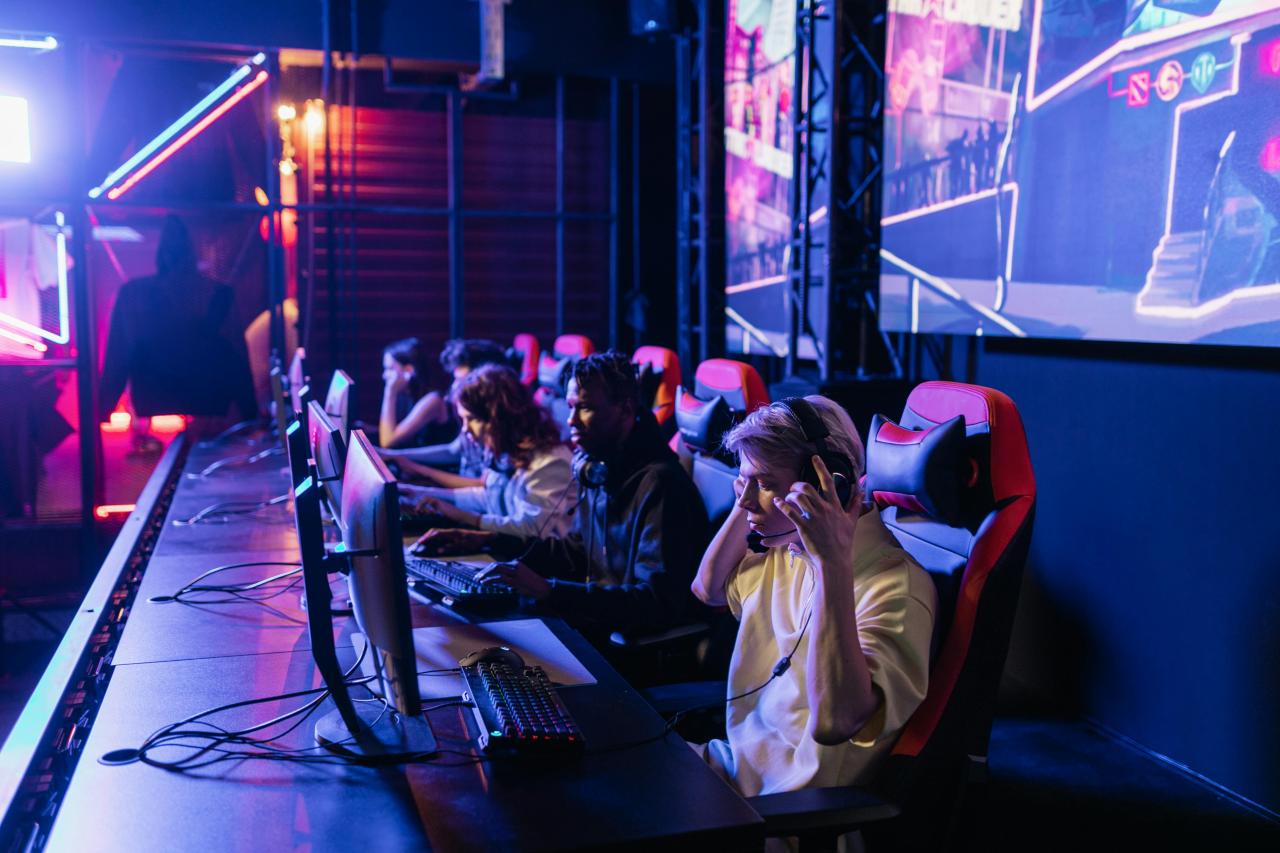
The rapid transformation of competitive gaming from a grassroots hobby into a multi-billion-dollar global phenomenon has fundamentally changed the entertainment landscape. This evolution has opened a vast array of sophisticated financial avenues for organizations, players, and content creators looking to capitalize on digital sport. In the modern era, professional gaming is no longer restricted to local tournaments; it is a borderless industry that commands the attention of millions of fans across every continent.
High-stakes championships now fill massive physical stadiums and draw digital audiences that rival traditional sports like football or basketball. As corporate interest surges, the methods for generating revenue have become increasingly diverse, moving far beyond simple prize pools to encompass complex sponsorship deals and digital goods. Understanding the intricacies of this economic engine is crucial for anyone aiming to thrive in the competitive gaming ecosystem.
From the sale of media rights to the implementation of fan-based crowdfunding, the financial structures supporting this industry are becoming more robust every year. This comprehensive guide will explore the most effective strategies for monetization on a global scale, providing deep insights into how digital competition translates into massive financial gain. By navigating the nuances of brand partnerships and digital ownership, organizations can build sustainable models that withstand the test of time.
Diversifying Core Revenue Streams
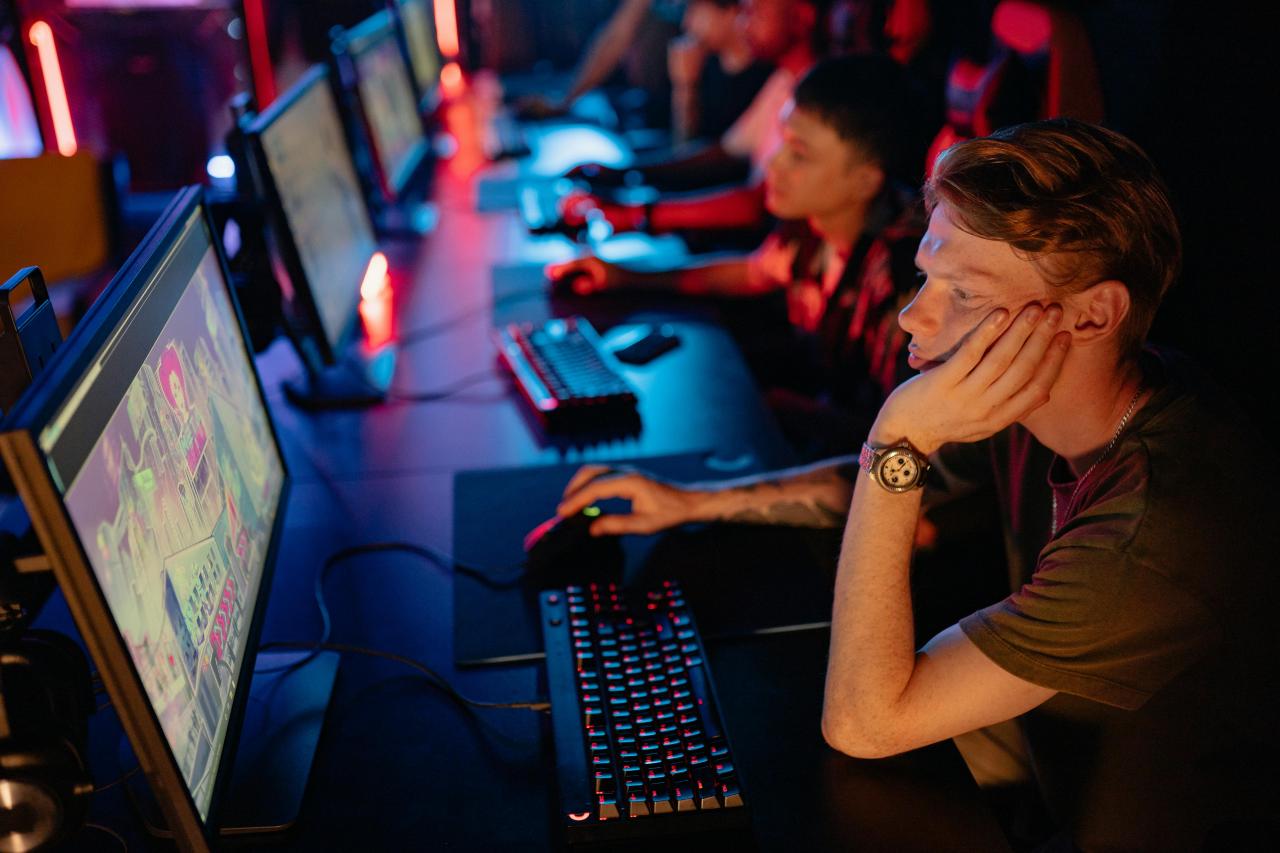
To build a stable financial foundation, a gaming organization must look past the volatility of tournament winnings and focus on predictable income. A diversified portfolio is the only way to survive the competitive peaks and valleys of the industry.
A. Sponsorship and Brand Integration
Global brands are eager to reach the younger demographic that dominates the gaming audience. These partnerships often include jersey branding, social media shoutouts, and custom video content produced by the players.
B. Media Rights and Broadcasting Deals
Streaming platforms and traditional television networks pay significant sums to exclusively broadcast major leagues. This revenue is often shared between the league organizers and the participating teams, providing a steady baseline of cash.
C. Digital and Physical Merchandise Sales
Fans want to show their loyalty by wearing team apparel or using branded gaming peripherals. Additionally, “in-game” digital items like team skins or stickers have become a massive source of high-margin profit.
The Power of Direct-to-Consumer Models
Cutting out the middleman allows gaming brands to retain a larger share of their earnings and build a more intimate relationship with their fan base. This approach relies heavily on the personality and reach of individual players.
A. Subscription-Based Content Platforms
Many organizations launch private membership clubs that offer behind-the-scenes access and exclusive digital content. This creates a recurring revenue model that provides financial stability throughout the competitive season.
B. Crowdfunding and Interactive Prize Pools
Some of the largest tournaments in the world fund their prizes through the sale of digital “battle passes” to the community. A portion of every purchase goes directly to the players, turning every fan into a financial contributor.
C. Live Streaming and Viewer Donations
Professional players often maintain their own streaming channels where fans can donate money directly. This secondary income stream can sometimes exceed the base salary provided by their professional organization.
Leveraging Global Intellectual Property
In the digital age, a gaming organization is essentially a media company that owns valuable intellectual property. Protecting and monetizing this IP is vital for long-term growth.
A. Licensing for Mobile Gaming Apps
Top-tier competitive teams can license their logos and player likenesses to mobile game developers. This allows fans to play as their favorite pros in casual gaming environments, generating royalty fees.
B. Original Content Production and Syndication
Producing documentaries, reality shows, or tactical guides allows teams to monetize their expertise on platforms like YouTube. These videos generate ad revenue and can be sold to international broadcasters.
C. Franchising and League Participation Fees
Major leagues often operate on a franchise model where teams own a permanent “slot.” These slots can appreciate in value over time, becoming a significant asset on the organization’s balance sheet.
Tapping Into Emerging Market Regions
While North America and Europe are established markets, the real growth in monetization is currently happening in emerging regions with massive populations. Organizations must adapt their strategies to fit local cultures and payment systems.
A. Expansion Into the Southeast Asian Market
Mobile gaming is the dominant force in this region, creating unique opportunities for localized sponsorships. The sheer volume of users makes it an attractive target for global advertisers.
B. Building a Presence in the Latin American Ecosystem
Passion for gaming in Brazil and Argentina is unmatched, leading to incredibly high engagement rates on social media. This engagement can be converted into high-value data for marketing partners.
C. Navigating the Regulatory Landscape of China
China represents one of the largest gaming markets but requires specific partnerships with local companies. Success here requires a deep understanding of local laws and cultural preferences.
Maximizing Value From Player Personalities
Modern competitive gaming is driven by “influencer” culture as much as it is by raw skill. Transforming a talented player into a recognizable brand is a key monetization strategy.
A. Talent Management and Agency Fees
Organizations often act as agents for their players, taking a percentage of their individual endorsement deals. This aligns the interests of the team and the player in pursuing external commercial success.
B. Creating Signature Product Lines
Developing a keyboard or mouse specifically designed for a star player can lead to massive retail success. Fans are often willing to pay a premium for hardware endorsed by their idols.
C. Educational Coaching and Masterclasses
High-level players can monetize their skills by offering premium tutorials or one-on-one coaching sessions. This provides a way for fans to learn directly from the best in the world.
The Role of Physical Events and Tourism
Even though the competition happens in a digital world, physical events remain a cornerstone of the industry’s economy. These events create a “festival” atmosphere that drives high per-capita spending.
A. Ticket Sales and VIP Hospitality Packages
Major finals can sell out large arenas in minutes, with premium tickets offering meet-and-greets and exclusive swag. These high-priced packages are essential for covering the costs of live production.
B. Local Government Grants and Tourism Support
Cities are increasingly competing to host major gaming events to boost their local economy. This often results in direct financial subsidies or tax breaks for the organizers.
C. On-Site Activations and Pop-Up Retail
Events provide a unique opportunity for brands to place their products directly in the hands of consumers. Retail booths at tournaments often see record-breaking sales numbers during event weekends.
Implementing Data-Driven Marketing Strategies
The digital nature of gaming means that every fan interaction can be tracked and analyzed. This data is incredibly valuable to sponsors who want to see a clear return on their investment.
A. Targeted Advertising Based on In-Game Behavior
Lenders and tech companies can use gaming data to identify potential customers with specific interests. This allows for highly efficient ad spend that minimizes waste.
B. Fan Engagement Analytics and Reporting
Organizations use sophisticated tools to measure exactly how long a fan looks at a sponsor’s logo during a broadcast. This transparent reporting justifies higher sponsorship rates.
C. Building Proprietary Fan Databases
By encouraging fans to sign up for newsletters or apps, teams can build their own first-party data. This is far more valuable than relying on third-party social media platforms.
Strategic Investment and Venture Capital
The influx of “smart money” from venture capitalists and traditional sports owners has accelerated the professionalization of gaming. This capital is being used to build infrastructure and acquire talent.
A. Securing Seed and Series Funding Rounds
Organizations use venture capital to hire coaches, sports psychologists, and professional management teams. This investment is predicated on the future growth of the global gaming audience.
B. Acquisition of Small Gaming Startups
Larger organizations often buy smaller companies that specialize in things like data analytics or player recruitment. This allows them to vertically integrate and keep more profit in-house.
C. Public Listings and IPO Opportunities
Several major gaming brands have successfully listed on public stock exchanges. This provides a path for early investors to exit while raising massive amounts of capital for further expansion.
Navigating the Challenges of High Operating Costs
While revenue is growing, the cost of running a professional team is also skyrocketing. Managing these expenses is just as important as generating new income.
A. Controlling Player Salaries and Transfer Fees
Competition for top talent has driven salaries to unsustainable levels in some regions. Implementing soft salary caps or revenue-sharing models is becoming a common topic of discussion.
B. Managing the Logistics of Global Travel
Flying a team of players and support staff around the world for tournaments is incredibly expensive. Teams must find ways to optimize travel or secure travel-specific sponsorships to offset these costs.
C. Investing in High-End Training Facilities
Building “gaming houses” or performance centers requires a massive upfront capital investment. These facilities must be used efficiently to justify their high monthly overhead.
The Future of Blockchain and Digital Assets
While still in its early stages, the integration of blockchain technology offers a new frontier for monetization. It allows for true ownership of digital items and new ways for fans to support teams.
A. Non-Fungible Tokens (NFTs) as Collectibles
Teams can issue limited-edition digital cards or highlights of famous plays. These items can be traded on open markets, with the organization receiving a royalty on every secondary sale.
B. Fan Tokens and Decentralized Governance
Some organizations issue tokens that give fans the right to vote on minor team decisions, like jersey designs. This gamifies the fan experience while generating immediate capital for the team.
C. Smart Contracts for Transparent Revenue Sharing
Blockchain can be used to automatically distribute prize money or sponsorship fees to players and staff. This reduces the administrative burden and ensures everyone is paid fairly and on time.
Establishing Sustainable Corporate Governance
As the industry matures, the importance of professional management cannot be overstated. A transparent and well-governed organization is more attractive to high-value sponsors and investors.
A. Hiring Experienced Executive Leadership
Moving away from “founder-led” models to hiring CEOs with traditional sports or tech backgrounds is a growing trend. This brings a level of discipline and experience that is necessary for large-scale operations.
B. Implementing Robust Compliance and Ethics Programs
Protecting against scandals or unethical behavior is vital for maintaining brand value. Sponsors are very sensitive to controversy and will only partner with organizations they can trust.
C. Focusing on Long-Term Fan Retention
It is much cheaper to keep an existing fan than it is to find a new one. Organizations are investing in loyalty programs and community management to ensure their audience stays engaged for decades.
Conclusion
Professional gaming is now a global economic powerhouse with limitless potential for growth. The transition from a niche hobby to a mainstream industry has created massive wealth for those who understand its mechanics.
Sponsorships remain the largest source of income but are becoming more data-driven and sophisticated. Digital items and in-game goods offer high-margin opportunities that traditional sports cannot replicate. The rise of mobile gaming is opening up massive new markets in Asia and Latin America.
Managing high operating costs is the biggest challenge for organizations looking to reach profitability. Content creation has become just as important as winning tournaments for building a sustainable brand. The relationship between the pro player and the fan is the primary engine that drives all revenue.
Blockchain and digital assets are likely to play a significant role in the next phase of monetization. Professionalism and good governance are essential for attracting the next wave of major corporate investment. Diversifying income streams is the only way to protect against the volatility of competitive results. Data is the most valuable currency in the modern gaming economy for both teams and advertisers.
The industry is moving toward a franchise model that prioritizes long-term stability over short-term wins. Fans are willing to pay for exclusive access and a sense of community within their favorite organizations. The boundary between digital entertainment and professional sport will continue to blur in the coming years. Success in this space requires a perfect balance of competitive excellence and commercial strategy.