
Introduction: The Gold Rush in the Digital Arena
The transformation of esports from a niche, enthusiast hobby into a recognized global investment powerhouse is arguably one of the most compelling financial narratives of the modern digital age. Unlike many conventional sectors experiencing stagnation, the competitive gaming ecosystem has consistently demonstrated explosive, double-digit growth, successfully attracting massive capital injections from venture capitalists, private equity firms, and even traditional sports magnates. This rapid influx of funding is not a speculative bubble but a calculated response to the industry’s unparalleled reach among the coveted young, tech-savvy demographic, which traditional media struggles to capture effectively.
Consequently, the investment landscape has broadened considerably, moving far beyond merely funding professional teams to encompass a complex web of supporting startups, cutting-edge technology development, and ambitious infrastructure projects. To truly grasp the financial trajectory of esports, one must meticulously analyze the diverse channels through which capital flows, recognizing the shifting risk profiles and the critical areas that are poised for the next phase of exponential returns. This detailed examination serves as a roadmap to understanding where smart money is currently being placed and what future projects are likely to define the billion-dollar potential of the industry.
Pillar 1: Investment in Esports Organizations (The Core Asset)
Professional esports teams and organizations are the most visible and traditional recipients of investment, acting as the primary consumer-facing brands of the industry.
A. The Transition to the Franchise Model
The move towards permanent league slots has dramatically altered the valuation and risk profile of team ownership.
-
Guaranteed Value: Owning a permanent slot in a major franchised league (e.g., League of Legends LCS or ValorantVCT) provides a base, guaranteed asset value, making teams more appealing to institutional investors.
-
Revenue Sharing Security: Franchising introduces formalized revenue sharing mechanisms, providing teams with a predictable annual income stream derived from media rights and league sponsorships.
-
Tiered Investment Rounds: Organizations use the stability of the franchise model to execute successful funding rounds (Seed, Series A, B, etc.), attracting high-profile investors based on long-term growth projections.
B. Valuation Drivers for Team Investment
Team valuations are no longer solely based on competitive performance but on broader business metrics that measure brand appeal and market penetration.
-
Brand Equity and Fan Base Size: Investment heavily favors teams with large, passionate, and globally recognizable brands, as these factors directly translate into higher merchandise sales and sponsorship value.
-
Diversified Roster Portfolio: Organizations that field competitive teams across multiple, diverse titles (e.g., MOBA, FPS, Fighting Games) are valued higher due to reduced reliance on the success of a single game ecosystem.
-
Non-Competitive Revenue: A significant portion of valuation comes from the team’s ability to monetize its assets through avenues outside of competition, primarily content creation and influencer networks.
C. The Role of Traditional Sports Ownership
The entry of major traditional sports figures and organizations has provided crucial mainstream validation and stability to esports investment.
-
Cross-Ownership Synergy: Traditional sports team owners (e.g., those from NBA, NFL, or European Football) leverage their established business infrastructure, legal teams, and sponsorship connections for their esports ventures.
-
Capital Liquidity: These traditional entities often provide massive capital liquidity, stabilizing the finances of their esports arms and underwriting the high initial costs of franchise fees and competitive salaries.
-
Media Expertise Transfer: The transfer of expertise in broadcast production, venue management, and fan engagement from traditional sports to esports enhances the overall quality and professionalism of the organization.
Pillar 2: Startup Ecosystem and Enabling Technologies
Venture Capital (VC) money is aggressively flowing into specialized startups that develop the necessary technological tools and infrastructure to support competitive gaming.
A. Performance Analytics and Coaching Tools
The pursuit of competitive advantage is driving investment into companies that use data science to optimize player performance.
-
Data Visualization Platforms: Startups creating intuitive platforms that visualize complex in-game data (e.g., heatmaps, utility usage frequency, damage metrics) for coaches and analysts are highly sought after.
-
AI Coaching Software: Investment is targeting companies that develop artificial intelligence (AI) models capable of providing real-time, personalized feedback to players and automating VOD (Video on Demand) review processes.
-
Scouting and Talent Identification: Platforms that use machine learning to track and rate amateur players across vast public databases are attracting VC funds looking to revolutionize talent scouting.
B. Fan Engagement and Community Platforms
The digital nature of the esports fan base necessitates investment in specialized platforms that facilitate community interaction and monetization.
-
Interactive Broadcast Technology: Companies developing overlay technology that allows real-time fan interaction (e.g., polls, integrated betting, live statistics) within the streaming environment are highly valued.
-
Creator Economy Tools: Investment is pouring into platforms that help streamers and content creators monetize their fan base more effectively through direct subscriptions, specialized merchandise, or digital tipping services.
-
Social Gating and Loyalty Programs: Startups focused on creating tokenized or tiered digital loyalty programs that reward dedicated fans with exclusive content or access are attracting significant funding.
C. Health, Wellness, and Ergonomics
The need to extend player career longevity and address health concerns has created a lucrative niche market for specialized solutions.
-
Ergonomic Gear Development: Investment is targeting companies that design specialized high-performance ergonomic peripherals, chairs, and glasses engineered for long duration competitive play.
-
Mental Performance Apps: Companies developing specialized apps that use cognitive training techniques, reaction time drills, and guided meditation programs to enhance mental focus are securing capital.
-
Physical Therapy and Injury Prevention: Startups that offer remote physical therapy consultation or create wearable tech to track strain and prevent common gamer injuries are seeing increased interest.
Pillar 3: Infrastructure and Venue Projects

Long-term investment is heavily directed toward physical and virtual infrastructure that stabilizes and standardizes the entire competitive experience.
A. Purpose-Built Esports Venues
The commitment to physical, in-person events is driving capital expenditure into specialized arena development worldwide.
-
Dedicated Stadiums: Investment funds are being used to finance the construction of large, purpose-built esports arenas designed specifically for the unique needs of competitive gaming broadcasts and audience interaction.
-
Training Facilities: Top organizations invest heavily in building luxurious, high-tech training centers equipped with redundant networking, soundproofed practice rooms, and dedicated analytical hubs.
-
Gaming Cafés and Retail Centers: Smaller-scale investment is focused on modernizing and scaling high-end gaming cafés that double as local community hubs and amateur tournament venues, creating a grassroots pipeline.
B. High-Fidelity Network and Broadcast Infrastructure
The quality and reliability of the competitive experience depend entirely on cutting-edge technological infrastructure.
-
Server and Cloud Solutions: Investment in regional server infrastructure and dedicated cloud networks is essential to ensure low-latency, fair competition across geographically diverse teams.
-
Broadcast Technology Upgrades: Capital is being deployed for next-generation broadcast equipment, including 4K production pipelines, fiber-optic distribution networks, and integrated AR (Augmented Reality) technology.
-
Anti-DDoS Security: Specialized security firms focusing on protecting competitive servers and live stream feeds from Distributed Denial-of-Service (DDoS) attacks are attracting funding, recognizing this as a critical integrity issue.
C. Digital and Virtual Infrastructure (Metaverse Integration)
Long-term, speculative investment is exploring how esports will integrate with emerging virtual and decentralized digital environments.
-
Virtual Arenas: Funds are being allocated to design and build persistent, interactive virtual arenas within Metaverse platforms where fans can watch matches as avatars, blurring the line between viewer and participant.
-
Decentralized Autonomous Organizations (DAOs): Investment is testing DAO structures where fan communities can collectively invest in and govern smaller esports projects or player development funds using blockchain technology.
-
NFT Ticketing and Memorabilia: Companies focused on leveraging Non-Fungible Tokens (NFTs) for verifiable digital tickets, collectible player cards, and unique digital memorabilia are receiving early-stage funding.
Pillar 4: Media, Content, and Distribution Channels
The massive audience reach of esports makes media rights and content distribution a major focus for large-scale investment firms.
A. Exclusive Media Rights Acquisition
Securing exclusive broadcast rights for major leagues and tournaments is one of the highest-value investment trends.
-
Platform Bidding Wars: Global streaming platforms (e.g., Twitch, YouTube, Kick) and traditional broadcasters (e.g., ESPN, regional TV networks) aggressively bid for multi-year, multi-million dollar deals to secure exclusive distribution of top-tier content.
-
Regional Content Licensing: Investment is focused on acquiring regional broadcast rights, allowing local partners to translate and tailor the content, maximizing local viewership and regional sponsorship income.
-
VOD and Archival Rights: Funds are directed toward companies specializing in curating, hosting, and monetizing the vast library of historic competitive VODs and archival footage.
B. Content Creation Studios and Talent Agencies
Investment funds are supporting the creators and the business structure behind the content that drives fan engagement.
-
Dedicated Content Houses: Organizations are investing in dedicated content creation studios and centralized hubs to increase the volume and production quality of their non-competitive programming (documentaries, player vlogs).
-
Talent Management Agencies: Specialized agencies focused solely on managing esports talent—handling contracts, brand deals, media appearances, and legal representation—are attracting significant backing.
-
Cross-Platform Monetization: Funding is directed toward tools and agencies that help creators maximize monetization across disparate platforms (Twitch, YouTube, TikTok, Instagram) simultaneously.
C. Educational and Scholastic Esports
Investment in the educational side of esports creates a valuable, stable revenue stream tied to academia.
-
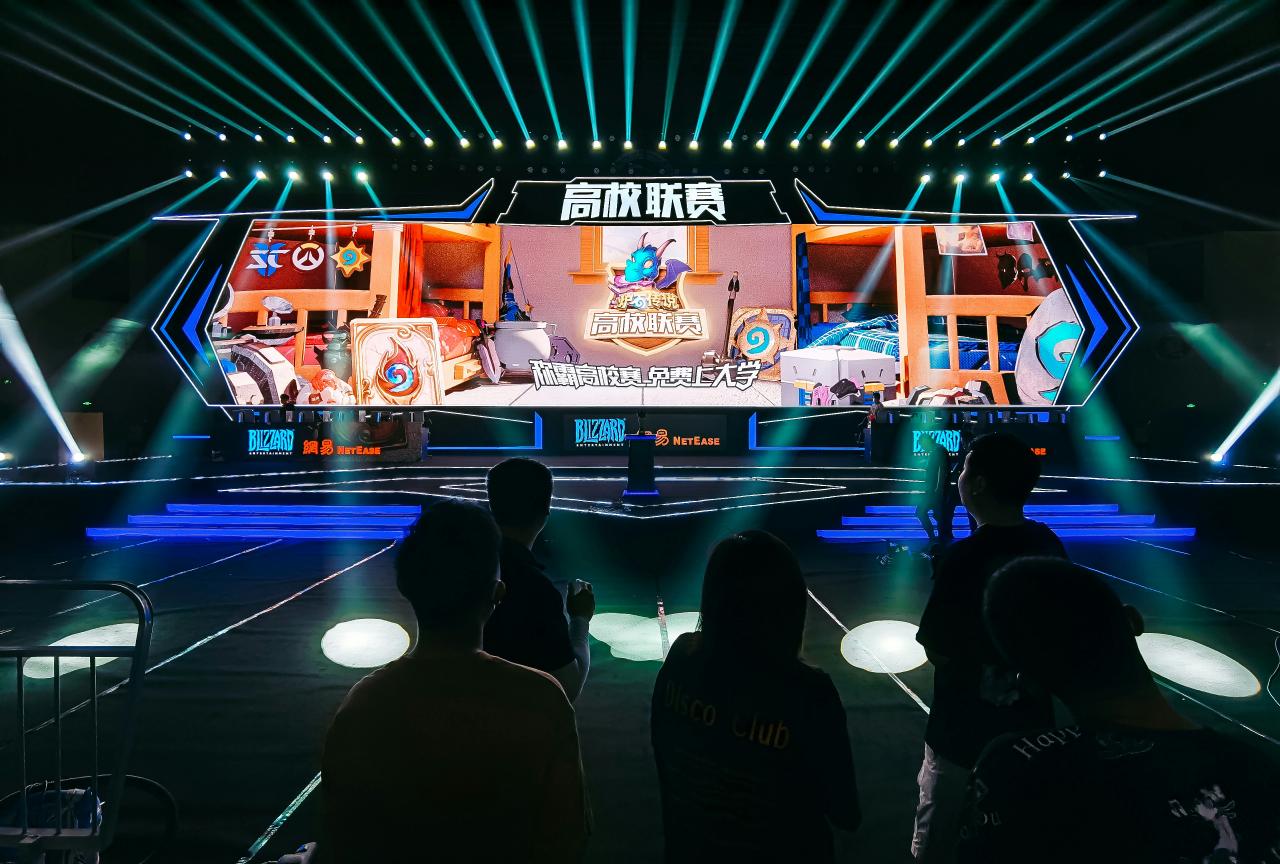
Collegiate Program Sponsorship: Companies are investing in sponsoring and operating collegiate esports leagues, recognizing the long-term value of aligning their brand with academic institutions and future consumers.
-
Skill Training Curricula: Investment in platforms that offer accredited professional training courses in esportsbusiness, production, coaching, and game design is growing as universities build out dedicated programs.
-
Scholastic Pipeline Development: Funds are being used to develop organized, safe, and regulated esports programs within high schools and youth leagues, creating a sustainable talent development pipeline.
Pillar 5: Future Investment Horizons and Risk Factors
As the industry matures, investors are looking toward non-traditional returns and must weigh the unique risk factors associated with digital competition.
A. Non-Traditional Investment Returns
Sophisticated investors are diversifying beyond simple equity stakes in teams, focusing on royalties and shared revenue models.
-
IP and Licensing Royalties: Funds are being established to invest directly in the intellectual property (IP) rights of peripheral tools, training platforms, or specialized game assets, seeking recurring royalty income.
-
Revenue Share Models: Investors are exploring agreements where capital is provided in exchange for a percentage of the team’s future prize pool winnings or a share of the player’s personal streaming revenue.
-
Emerging Game Investments: Speculative capital is dedicated to investing in the competitive ecosystems of new, unproven game titles, hoping to gain first-mover advantage if the game achieves breakout success.
B. Managing Industry-Specific Risk Factors
The unique characteristics of esports introduce risk factors that traditional investors must learn to assess and mitigate.
-
Game Developer Dependency: The largest risk is the dependence on a single game developer; a sudden patch change, poor design decision, or game deprecation can instantly wipe out the value of a dedicated esports asset.
-
Player Burnout and Volatility: High player turnover, sudden retirements due to burnout, and the lack of long-term contracts create instability that must be factored into team valuation.
-
Competitive Integrity Threats: Investment valuations can be severely damaged by major scandals involving cheating, match-fixing, or player toxicity, necessitating investment in robust integrity protocols.
C. The Path to Investment Parity
For the esports industry to achieve financial parity with traditional sports, institutional structures must continue to mature.
-
Standardized Metrics: The industry needs to collectively agree upon and use standardized, verifiable metrics for viewership, engagement, and ROI, making investment opportunities comparable and transparent.
-
Clear Exit Strategies: Developing clearer, more reliable paths to liquidity, such as major Initial Public Offerings (IPOs) or predictable acquisition targets, is essential for attracting large-scale private equity.
-
Regulatory Stability: The creation of independent, global governing bodies that standardize contracts and competitive rules will reduce regulatory risk, making the entire ecosystem more appealing for long-term institutional capital.
Conclusion: Capitalizing on the Digital Future

The investment trends shaping the esports industry today clearly demonstrate a fundamental shift from speculative enthusiasm to calculated, strategic deployment of capital across a complex ecosystem. While funding professional organizations remains the core focus, smart money is increasingly flowing into the enabling technologies, performance analytics platforms, and infrastructure projects that guarantee the industry’s long-term sustainability. The franchise model has provided necessary stability, reducing risk and allowing team owners to attract high-profile investors from the traditional sports and venture capital worlds.
However, the continued growth hinges on the industry’s ability to navigate its unique risks, including dependency on game developers and high player volatility. Future investment success will be dictated by the ability to monetize fan engagement through innovative digital assets and secure massive, guaranteed media rights deals. The investment landscape in esports is dynamic and demanding, but the returns for those who accurately identify and capitalize on the infrastructure, content, and technology supporting the competitive environment are poised to be astronomical.