Introduction: The Crucible Where Champions Are Forged
The iconic image of the gaming house—a dedicated, shared residence where professional esports teams live, train, and strategize together—has become one of the most distinctive and fascinating aspects of competitive gaming culture worldwide. Far from being just a shared apartment, the gaming house is a meticulously designed ecosystem, functioning as a high-performance training facility, a logistical hub, and a centralized living space all rolled into one. This unique concept emerged organically from the grassroots of competitive gaming, pioneered by teams seeking to maximize practice time and quickly build the intense synergy required to succeed at the elite level.
As the industry rapidly professionalized, organizations recognized the profound performance benefits of consolidating all team activities under one roof, providing not just state-of-the-art equipment but also crucial support services like dedicated chefs, coaches, and management staff. The gaming house is the physical manifestation of a team’s commitment to excellence, representing a strategic investment in the seamless integration of life and training, designed to strip away external distractions and focus the entire roster solely on the pursuit of championship glory. This dedicated environment is the crucible where raw talent is refined into world-class teamwork, making the “life inside” arguably as critical to success as the skills practiced on the screen.
Pillar 1: The Concept and Evolution of the Gaming House
Understanding the gaming house requires recognizing its historical context and its transition from a necessity to a strategic organizational asset.
A. The Grassroots Origins
The initial idea of living together was driven by logistical simplicity and financial necessity in the early days of esports.
-
Shared Resources: Early teams found that pooling limited resources—splitting rent and sharing a single, high-speed internet connection—was the most practical way to support professional aspirations.
-
Maximized Scrim Time: Living together eliminated travel time, allowing teams to instantly transition from individual practice to group scrimmages, maximizing the total hours available for collaboration.
-
Instantaneous Communication: Being physically co-located ensured that strategy discussions, immediate VOD reviews, and on-the-fly tactical adjustments could occur instantly, fostering rapid team development.
B. The Modern Professional Facility
Today’s gaming houses are far removed from those early shared apartments, now rivaling the training complexes of traditional sports teams.
-
Purpose-Built Design: Organizations invest in large properties with specialized zones, including dedicated soundproofed practice rooms, management offices, high-end kitchens, and recreational areas.
-
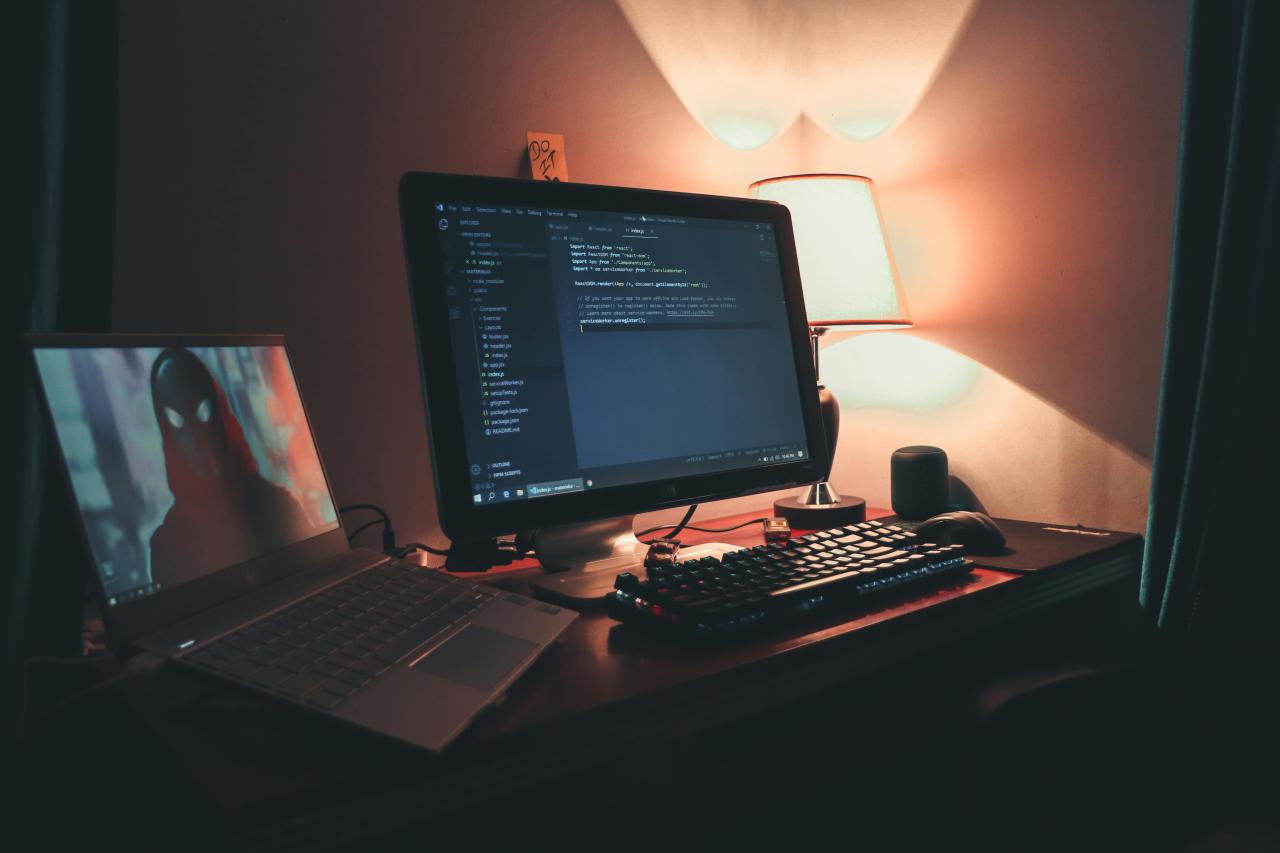
Technological Superiority: Facilities boast commercial-grade networking infrastructure, featuring redundant fiber internet connections, dedicated switches, and backup power to ensure zero practice disruption.
-
Integrated Branding: The house often serves as a key piece of the organization’s media strategy, with branded decor and high-quality production lighting used for filming team content and daily vlogs.
C. The Rise of the Decentralized Model
Not all teams maintain a full-time, year-round gaming house, with some adopting a more flexible, hybrid approach.
-
Pre-Tournament Bootcamps: Many international teams utilize temporary houses or dedicated facilities only in the weeks leading up to major events (bootcamps) to centralize focus and minimize jet lag effects.
-
Regional Hubs: Large organizations often maintain smaller regional apartments or hubs to facilitate local practice and content creation, especially in geographically large franchised leagues.
-
Mental Health Focus: Some managers choose a decentralized model, allowing players to live in their own private apartments to promote greater work-life balance and mental separation from the constant pressure of the game.
Pillar 2: The Core Function: Performance Optimization
The primary strategic goal of the gaming house is to provide an environment that eliminates distractions and optimizes every possible variable affecting competitive performance.
A. Maximizing Training Efficiency
The physical environment is engineered to ensure that every hour spent is focused and productive, with all needs catered to.
-
Distraction Minimization: The setup removes domestic responsibilities—such as cooking, cleaning, and utility management—from the players’ plates, ensuring their cognitive energy is reserved solely for training.
-
Structured Scheduling: Management enforces a strict daily schedule, covering wake-up times, practice start, meal times, and mandatory physical activity, imposing the discipline necessary for professional life.
-
Noise Isolation: Dedicated practice rooms are often acoustically treated or separated from living areas to prevent noise from disrupting VOD reviews or intense concentration during scrimmages.
B. Immediate Strategic Feedback
The physical proximity allows for the highest speed of analytical iteration and strategic adjustment.
-
Instantaneous VOD Review: After a scrim loss, the team can immediately move from their chairs to a communal strategy screen for a quick, impactful VOD review while the gameplay details are still fresh in their minds.
-
Seamless Coaching Integration: The coach and analyst have an always-on presence, allowing them to monitor communication, listen in on strategies, and intervene immediately to correct flawed calls or poor positioning.
-
Non-Verbal Communication: Living together enhances the team’s ability to understand each other’s moods, stress levels, and non-verbal cues, improving in-game communication efficiency during high-stakes moments.
C. Maintaining Physical and Cognitive Health
The house infrastructure supports the wellness regimen that is critical for long-term player career sustainability.
-
Nutritional Consistency: The presence of a dedicated chef or strict meal delivery service guarantees that players adhere to the high-performance dietary plans necessary for sustained cognitive focus.
-
Sleep Management: Strict house rules and the physical environment are designed to enforce consistent bedtimes and provide optimal sleeping conditions, recognizing that sleep is the single most important recovery tool.
-
Integrated Fitness: Many modern gaming houses include dedicated home gym equipment or are situated near fitness centers, ensuring physical activity is easily accessible and integrated into the daily routine.
Pillar 3: Life Under the Same Roof (The Team Dynamic)
The unique social environment of the gaming house creates intense bonds and, inevitably, unique challenges related to interpersonal dynamics.
A. Fostering Team Chemistry and Cohesion
The shared living experience is highly effective at building the deep personal trust necessary for flawless in-game synergy.
-
Shared Experiences: Casual time spent together—cooking, watching movies, or playing non-competitive games—builds personal relationships that translate into stronger emotional support and trust when facing competitive pressure.
-
Cultural Understanding: For international rosters, living together is a crash course in cultural integration, rapidly accelerating language learning and mutual understanding of different norms and communication styles.
-
Eliminating Isolation: The shared house combats the natural isolation of gaming, providing a necessary social framework and sense of belonging that helps players manage the intense psychological demands of the career.
B. The Challenge of Team Friction
Living in close quarters with the same individuals for months on end can easily escalate minor disagreements into major conflicts.
-
Lack of Private Space: The high-pressure environment with limited personal space can make small annoyances (e.g., noise, cleaning habits) balloon into sources of major team friction that spill over into in-game performance.
-
Performance Blame: After a difficult loss, the proximity can intensify the negative environment, making it harder for players to psychologically separate themselves from the stressful work environment.
-
Management Intervention: Coaches and GMs must act as quasi-parental figures and professional counselors, actively monitoring the social dynamic and intervening early to mediate personal conflicts before they disrupt competitive focus.
C. Managing the Work-Life Blend
The defining characteristic of the gaming house is the complete lack of separation between the professional and personal life, requiring intentional management.
-
Enforcing Separation: Management must actively enforce non-gaming activities and quiet zones to provide players with guaranteed mental breaks and a genuine “off-switch” from the competitive intensity.
-
Visitor Policies: Clear, strict rules regarding visitors, partners, and family members are necessary to maintain focus, prevent distractions, and ensure a professional environment for all residents.
-
Privacy and Media: Teams must balance the need to create engaging, behind-the-scenes content (vlogs, documentaries) with the players’ essential right to privacy and moments away from the constant camera lens.
Pillar 4: Logistics, Staffing, and Media Production

The gaming house is an organizational hub that requires a sophisticated support staff and is often integrated directly into the organization’s media strategy.
A. The Supporting Staff Ecosystem
The people who run the house are just as crucial to the team’s performance as the players themselves, handling all non-competitive tasks.
-
House Managers/Logistics: These individuals handle all administrative burdens—bills, maintenance, grocery shopping, transportation—ensuring the living environment is always functional.
-
Team Chefs/Nutritionists: Responsible for all meal planning and preparation, guaranteeing that the dietary needs of the athletes are met with consistent, high-quality, performance-focused food.
-
Media and Content Crew: A dedicated media team often resides at or frequently visits the house to capture B-roll footage, conduct interviews, and produce the reality-TV-style content that drives fan engagement.
B. Media Strategy and Content Creation
The gaming house is the organization’s most valuable tool for creating authentic, behind-the-scenes content that humanizes the players.
-
Reality Content: Daily vlogs and mini-documentaries filmed inside the house offer fans an intimate, appealing look at the players’ lives, rapidly building emotional investment in the brand.
-
Sponsor Integration: The house provides a natural, authentic backdrop for integrating sponsor products, such as displaying energy drinks in the fridge or utilizing specific brand peripherals during practice sessions.
-
Live Streaming Zones: Dedicated, professional streaming rooms are integrated into the house design, allowing players to monetize their personal brand while maintaining the team’s professional aesthetic.
C. Financial Management and Costs
Operating a fully staffed, high-end gaming house represents a massive, necessary investment for a top-tier esportsorganization.
-
High Overhead: The combined costs of specialized rent, utilities, insurance, commercial-grade internet, professional-grade equipment, and salaries for non-player staff result in significant monthly overhead expenses.
-
Return on Investment (ROI): The investment is justified by the expected returns: improved player performance leading to higher prize money, stable team morale, and increased content production driving higher sponsorship appeal.
-
Asset Management: The equipment and infrastructure within the house are treated as critical business assets, requiring careful inventory tracking, maintenance, and regular security updates.
Pillar 5: The Future of the Gaming House Model
As the esports industry continues to mature and professionalize, the gaming house concept is evolving, facing new challenges and adapting to modern wellness standards.
A. Emphasis on Work-Life Separation
There is a growing industry-wide movement to refine the gaming house model to prioritize player longevity and mental well-being over sheer practice volume.
-
Training Centers Only: The trend is moving towards building separate, dedicated training centers (similar to corporate offices or team gym complexes) where players commute for practice, but return to their private residences for personal life.
-
Structured Off-Site Activities: Management will increasingly mandate off-site, non-gaming activities (e.g., team dinners, fitness classes) to ensure physical and mental breaks are integrated into the routine, rather than just relying on the house environment.
-
Wellness Spaces: New facility designs integrate dedicated wellness zones—yoga studios, quiet rooms, specialized sleep pods, or meditation spaces—to actively support mental recovery within the professional environment.
B. Legal and Regulatory Challenges
The intensive nature of gaming house life is forcing a clearer definition of employment law and player rights within the residence.
-
Labor Law Compliance: Organizations must navigate complex international labor laws regarding working hours, mandatory rest periods, and employee rights, especially when the workplace is also the home.
-
Contractual Clarity: Player contracts must explicitly define the rules, conduct standards, and expected behavior within the communal living environment to prevent legal disputes over living conditions or property damage.
-
Health and Safety Standards: Gaming houses must adhere to local health, safety, and fire code regulations, ensuring the often large, commercial-grade equipment and intense electrical load are managed safely.
C. The Gaming House as a Brand Experience
The house will continue to evolve as a key marketing tool, offering unique fan and brand integration opportunities.
-
Fan Interaction Events: Teams may host limited, controlled fan experiences at the facility (e.g., small meet-and-greets or sponsored gaming sessions) to offer exclusive brand access.
-
Virtual Tours and AR: Utilizing virtual reality (VR) and augmented reality (AR) technologies, organizations can offer fans immersive, branded virtual tours of the gaming house, creating a sense of intimate connection without compromising player privacy.
-
Global Hubs: Top organizations will expand their network of gaming houses into strategically important global regions, establishing regional headquarters for talent scouting and localized content production.
Conclusion: The Essential Investment in Professionalism
The gaming house is an absolute necessity in the realm of elite esports, serving as the essential investment that elevates raw skill into professional competitive dominance. This environment strips away life’s distractions, allowing players to devote their entire focus to the rigorous training regimen required for world-class performance. The centralized location maximizes training efficiency, facilitating instantaneous strategic review and seamless integration with analytical support staff. The proximity helps forge the intense, indispensable team chemistry needed to operate as a single, cohesive unit under the highest pressure.
However, the future of this model lies in balancing the benefits of consolidation with the vital need for player welfare. Organizations are smartly shifting toward structures that provide clear work-life separation and comprehensive mental and physical health support. The gaming house, whether a full-time residence or a temporary training camp, remains the ultimate physical manifestation of a team’s professional commitment. It is the crucible where individual talent is successfully forged into championship-caliber teamwork and sustained excellence.