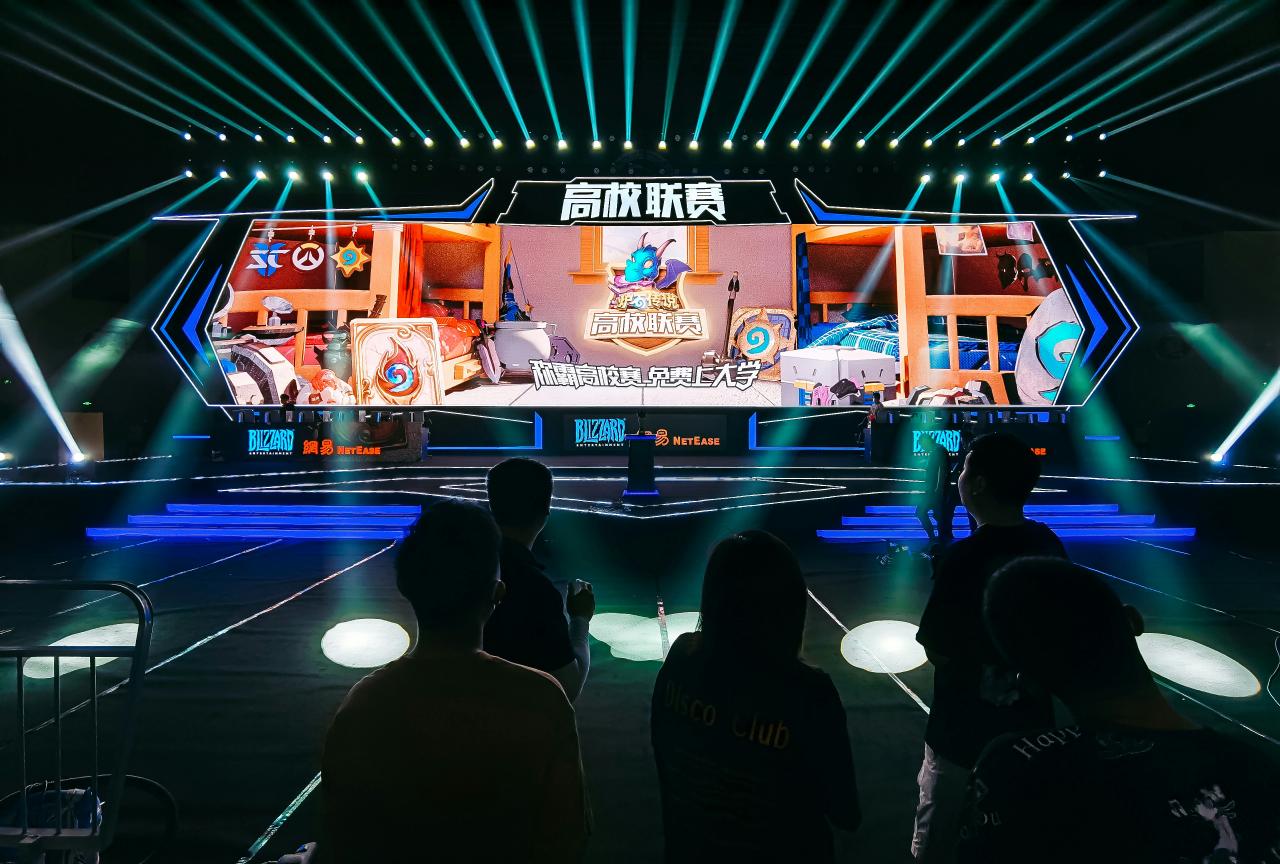

For many years, the world of competitive video gaming was incorrectly dismissed by mainstream finance as a volatile, adolescent novelty, perceived as a purely amateur pursuit driven by transient trends and lacking the foundational stability and predictable return on investment (ROI) that characterize established professional sports leagues.
This cautious perspective entirely failed to recognize the immense, organic growth fueled by a digitally native, highly engaged global audience whose dedication was already generating billions in ancillary revenue through game sales, microtransactions, and streaming subscriptions, quietly establishing a robust and resilient economic engine beneath the surface.
Today, the reality is fundamentally different: the Esports Industry has achieved significant financial maturity, successfully formalizing its structure through the establishment of franchised leagues, standardized player contracts, and clear, multiple, scalable revenue streams that position it as one of the fastest-growing and most dynamic investment opportunities in the entire media and entertainment sector.
The sophisticated financial model is no longer reliant solely on volatile tournament prize pools; it is a multi-layered structure that draws predictable income from media rights, global sponsorship deals, merchandise licensing, and direct fan monetization, compelling major venture capitalists, institutional investors, and global brands to finally and aggressively commit substantial capital.
Pillar 1: Sponsorship and Advertising Dominance
The largest and most stable financial input driving the esports ecosystem.
A. Non-Endemic Brand Migration
The shift from gaming gear to mainstream global advertising.
-
Moving Beyond Peripherals: Initially, esports sponsorships were dominated by endemic brands—those directly related to gaming, like hardware manufacturers and energy drink companies.
-
Attracting Blue-Chip Companies: The industry now successfully attracts major non-endemic brands from sectors like automotive (BMW, Mercedes-Benz), telecommunications (Verizon, Vodafone), finance (Mastercard, Visa), and fashion.
-
Audience Value Proposition: These global companies are investing because esports delivers a direct, authentic channel to reach the elusive 18-34 year-old male demographic that is often resistant to traditional advertising formats.
B. Sponsorship Levels and Structure
Categorizing the ways brands integrate into the ecosystem.
-
League-Wide Partnerships: These are the highest-tier agreements where a brand secures exclusivity across an entire league (e.g., the Call of Duty League), guaranteeing maximum visibility across all broadcasts and live events.
-
Team Sponsorships: Brands partner directly with individual esports teams, placing their logo prominently on player jerseys, team content, and facility signage, building direct affinity with the team’s dedicated fan base.
-
Player Endorsements: Individual star players secure personal endorsement deals for products, often utilizing their massive followings on streaming platforms and social media for highly effective, targeted marketing campaigns.
C. Content Integration and Activation
Ensuring that sponsorships are engaging and organic to the medium.
-
Branded Segments: Sponsors often fund dedicated broadcast segments during tournaments, such as the “Intel Performance Recap” or the “Kia Clutch Play of the Day,” making the brand a part of the viewing narrative.
-
In-Game Advertising: Technological advancements are enabling dynamic, real-time advertising placementswithin the games themselves (e.g., virtual billboards in digital stadiums), offering massive visibility to millions of concurrent players.
-
Custom Content Creation: Teams and players collaborate with sponsors to create unique digital content (e.g., behind-the-scenes videos, documentaries) that is distributed across streaming platforms, leveraging the player’s trust factor.
Pillar 2: Media Rights and Distribution Value
The growing importance of broadcasting contracts, mirroring traditional sports models.
A. The Evolution of Broadcast Rights
Shifting from platform revenue share to large-scale exclusivity deals.
-
Initial Platform Dependence: In the early days, revenue was primarily generated through platform revenue sharing from streaming ads, with limited upfront payment for broadcast rights.
-
Publisher-Owned Rights: Game publishers (e.g., Riot Games, Activision Blizzard) retain ownership of the league’s media rights, strategically selling them to the highest bidding streaming service or linear network.
-
Multi-Year, Exclusive Contracts: Major leagues now command multi-year, multi-million dollar exclusivity contracts from streaming giants like YouTube or Twitch, securing predictable, high-margin revenue similar to traditional sports.
B. Global and Regional Licensing
Maximizing audience reach and financial return across territories.
-
Localized Broadcasting: Publishers license broadcast rights to different media partners in various geographical regions, ensuring commentary and analysis are delivered in local languages (e.g., Korean, Spanish, Mandarin).
-
Syndication and Re-broadcasting: Revenue is generated by licensing highlight packages, classic matches, and specialized content to smaller, secondary media outlets, maximizing the shelf life of the intellectual property.
-
Linear TV Exploration: While primarily digital, some major league finals and high-profile events are temporarily licensed to traditional linear television networks (e.g., ESPN, major European broadcasters) to gain mainstream visibility and command higher ad rates.
C. Over-The-Top (OTT) Monetization
The potential for subscription-based, premium esports content.
-
Premium Passports: Leagues can offer subscription-based OTT services or premium passes that provide access to enhanced viewing features, such as multiple camera angles, in-game stat overlays, and ad-free streams.
-
Behind-the-Scenes Access: Exclusive OTT content can include behind-the-scenes access to team houses, player interviews, and training breakdowns, targeting the most dedicated, high-value segment of the fanbase.
-
Data and Analytics: Premium subscriptions can be bundled with advanced data and analytics tools for fantasy league players or aspiring analysts, generating an entirely new data-driven revenue stream.
Pillar 3: Direct Fan Monetization and Digital Goods

The unique financial relationship between fans, players, and the game itself.
A. Streaming Platform Revenue
The direct financial contribution from the viewing audience.
-
Subscriptions and Memberships: Fans pay recurring fees to support their favorite streamers and teams on platforms like Twitch and YouTube, generating a stable, predictable monthly income split between the platform and the creator.
-
Donations and Virtual Gifts: Viewers purchase virtual currencies (e.g., Bits, Super Chat) to send direct, immediate tips and messages to streamers during a live broadcast, often incentivized by platform-specific visual rewards.
-
Channel Merchandise Sales: Many streamers integrate direct-to-consumer digital storefronts into their stream, selling personalized apparel, branded accessories, and unique digital emotes.
B. In-Game Purchases and Cosmetics
The largest revenue component controlled by the game publisher.
-
Esports-Branded Skins: Publishers create special edition in-game items (skins, charms, weapon wraps) branded with the colors and logos of participating esports teams, often with a portion of the revenue directly flowing back to the teams.
-
Battle Passes and Seasonal Items: Revenue from the sale of seasonal “Battle Passes”—which reward players with in-game content for playing—is a massive, continuous income source that indirectly fuels the entire ecosystem’s sustainability.
-
Digital Loot Boxes: While controversial, the sale of randomized digital item containers (loot boxes) remains a significant, high-volume revenue generator for certain major competitive game titles globally.
C. Merchandise and Consumer Products
The analog revenue stream that bridges the digital and physical worlds.
-
Team Apparel and Jerseys: Sales of official team apparel, especially player jerseys, are a reliable, high-margin revenue stream, leveraging the passion and loyalty of the dedicated fan base.
-
Collectible Memorabilia: Limited-edition physical collectibles, figures, and signed memorabilia provide unique, high-value purchase opportunities for devoted fans.
-
Retail Licensing: Teams and leagues license their logos and intellectual property to third-party manufacturersfor peripherals, energy drinks, and other consumer products, earning royalties on every unit sold.
Pillar 4: Investment Opportunities Beyond Teams
Analyzing attractive investment angles in the ecosystem’s infrastructure and support services.
A. Technology and Infrastructure Providers
Investing in the essential tools that keep the streams running smoothly.
-
Streaming Technology: Companies that provide software or hardware for high-quality, low-latency video encoding and distribution are essential investments, as demand for resolution and stability constantly increases.
-
Analytics and Data Firms: Firms specializing in collecting, analyzing, and selling esports viewership data, performance metrics, and fan sentiment provide critical intelligence for sponsors and investors.
-
Tournament Organizers (TOs): Investment in the independent companies that manage the logistics, production, and execution of major live and online tournaments (e.g., ESL, DreamHack) offers exposure to the operational backbone of the industry.
B. Specialized Media and Content Development
Targeting the growing need for diverse, professionalized content.
-
Esports Journalism and Media: Investing in dedicated esports news and media outlets that provide coverage, analysis, and interviews helps shape the narrative and attract new mainstream fans.
-
Talent Management Agencies: Specialized agencies that manage the contracts, brands, and media appearances of pro players and high-profile streamers offer exposure to the human capital side of the industry.
-
Training and Coaching Platforms: Companies that provide professional, personalized coaching, training tools, and analytical services to aspiring players (both amateur and pro) tap into the massive demand for performance improvement.
C. Real Estate and Venue Development
Physical investments to support live events and player training.
-
Dedicated Esports Arenas: Investment in the construction or acquisition of physical, permanent esports-specific stadiums and competition venues in major metropolitan areas.
-
Team Training Facilities: Capital investment in the design and build-out of high-tech, multi-million dollar team training centers and “esports houses,” which also function as content creation studios.
-
University and Educational Infrastructure: Funding the development of collegiate esports programs and dedicated gaming labs on university campuses, tapping into the educational side of the ecosystem.
Pillar 5: Future Trends and Investment Thesis
Forecasting the next phase of revenue growth and where smart capital will flow.
A. The Role of Franchised Leagues
Creating stability, predictability, and asset appreciation.
-
Guaranteed Slot Value: Franchised leagues (like the Overwatch League or LCS) create an inherent asset value in the form of a permanent team slot, similar to buying a team in the NBA or NFL.
-
Revenue Sharing: The model incorporates a guaranteed league-wide revenue sharing mechanism from centralized media and sponsorship deals, providing team owners with a predictable baseline income regardless of yearly performance.
-
Investor Confidence: The stability provided by franchising significantly de-risks investment for traditional venture capital firms, making ownership a more predictable, long-term asset play.
B. Web3, NFTs, and Digital Ownership
The coming wave of decentralized fan monetization.
-
Digital Collectibles: The sale of Non-Fungible Tokens (NFTs) representing unique in-game moments, player cards, or digital merchandise offers a new, high-margin revenue stream tied to verified digital ownership.
-
Fan Tokens and Governance: Issuing fan tokens allows teams to raise capital and provide holders with benefits like voting rights on minor team decisions or exclusive digital access, deepening fan loyalty and investment.
-
Metaverse Integration: As the metaverse evolves, new revenue streams will emerge from selling virtual real estate, hosting in-metaverse events, and selling digital wearables tied to esports brands and teams.
C. The Health and Wellness Ecosystem
Investing in the longevity and professionalism of the players.
-
Performance Nutrition: Companies focused on specialized nutrition, supplements, and cognitive enhancement products tailored specifically for the demands of long, high-stress competitive gaming.
-
Esports Psychology and Therapy: Investment in mental health services and performance psychology platformsdesigned to combat player burnout, stress, and team communication issues.
-
Ergonomics and Physical Health: Startups focused on advanced ergonomic seating, precision input devices, and physical therapy services designed to mitigate the risks of repetitive strain injuries common among pro gamers.
Conclusion: A Multi-Asset Class Opportunity

The growth trajectory of the esports industry clearly demonstrates that it has moved beyond its initial hype phase to become a legitimate, multi-faceted investment opportunity built on robust and diverse revenue streams.
The foundation of this financial structure rests primarily on the massive, ongoing investment from non-endemic global sponsors, who utilize the platform to gain unparalleled access to the highly desirable youth demographic.
A significant shift mirroring traditional sports involves the massive value commanded by multi-year, exclusive media rights deals, which provide game publishers and league owners with stable, predictable, high-figure capital injections.
The most unique and powerful revenue generator remains the direct monetization of the digital fanbase through platform subscriptions, virtual tips, and the continuous sale of esports-branded in-game cosmetic items and digital assets.
Smart investment is now flowing beyond team ownership and into the essential infrastructure, targeting high-growth sectors like specialized streaming technology, data analytics platforms, and professional tournament organizers.
The introduction of franchised league models has successfully de-risked the investment proposition, creating predictable asset appreciation and guaranteed revenue sharing, making team ownership an increasingly attractive long-term hold.
Ultimately, the future of the esports financial model will involve deep integration with Web3 technologies and a focus on the health and longevity of its professional talent, ensuring its sustained growth as a dominant, technologically driven global asset class.