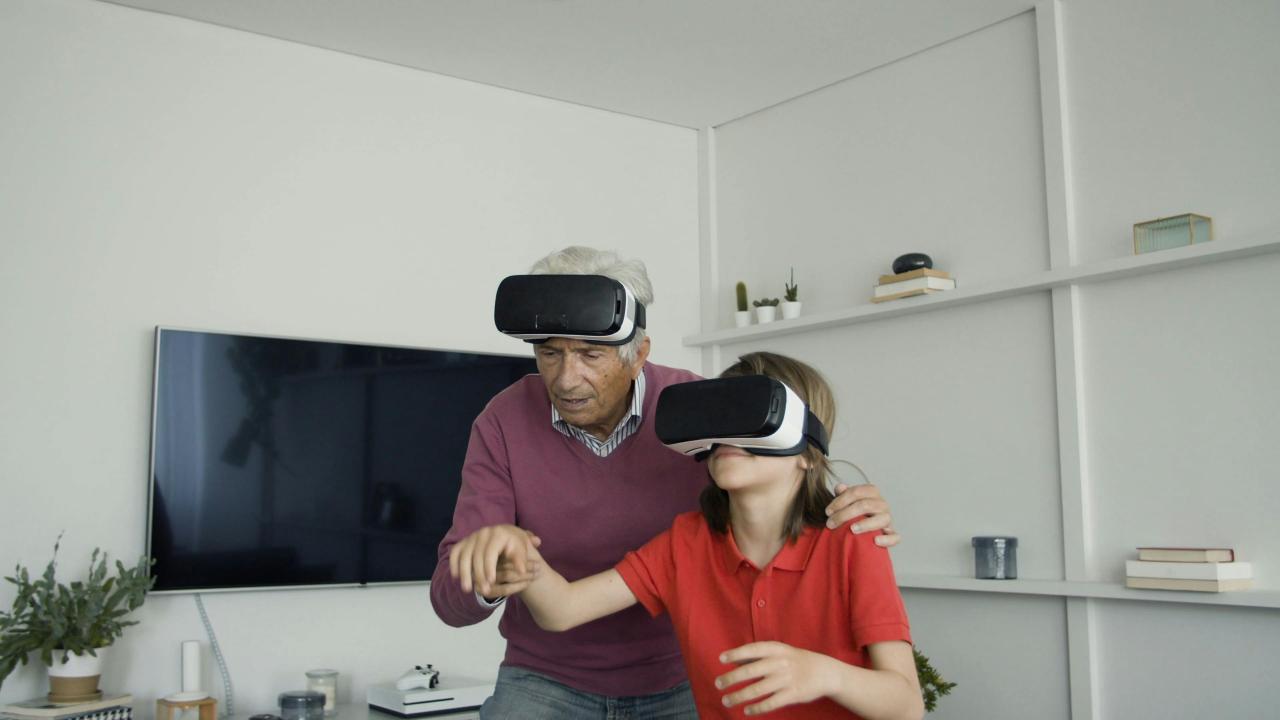

Introduction: Opening the Door to the Digital World
For anyone looking to dive into the expansive universe of video games, finding the right starting point is absolutely crucial for a positive and enduring experience. The sheer variety of genres, complex controls, and often intimidating competitive communities can quickly discourage a curious newcomer before they even have a chance to discover the joy of digital play. A truly beginner-friendly game acts as a welcoming gateway, offering clear tutorials, a gentle learning curve, and mechanics that are intuitive to grasp without needing a hundred hours of practice.
These games prioritize accessibility and fun over punishing difficulty, allowing new players to build confidence, master basic control schemes, and appreciate the creative depth the medium offers. They serve as essential training grounds, preparing new gamers for more complex challenges down the line by slowly introducing concepts like resource management, spatial awareness, and objective prioritization. Therefore, choosing the right entry-level titles is the most important step in transforming a casual interest into a fulfilling, lifelong hobby that offers endless entertainment and social connection.
Pillar 1: Defining a Beginner-Friendly Game
What exactly makes a game easy for a newcomer to pick up? It comes down to a few key design principles that prioritize accessibility and minimize frustration.
A. Low Barrier to Entry
The game should be easy to start playing without requiring advanced technical knowledge or a massive financial commitment.
-
Intuitive Controls: The basic control scheme must be easily mapped and understood, ideally using simple inputs that don’t rely on complex button combinations or intricate keyboard shortcuts.
-
Affordability: Games that are free-to-play, inexpensive, or available on subscription services (like Xbox Game Pass) lower the financial risk for tentative beginners.
-
Low Hardware Demand: Titles that run smoothly on standard computers, older consoles, or common mobile devices ensure the widest possible audience can access them without expensive upgrades.
B. Forgiving Learning Curve
The difficulty should ramp up slowly, allowing the player to naturally acquire skills over time without facing insurmountable obstacles early on.
-
Robust, Integrated Tutorials: The game should teach its mechanics clearly and gradually through hands-on examples, not just walls of text or external videos.
-
Low Penalty for Failure: Mistakes should be recoverable, featuring frequent checkpoints, quick respawns, or non-permanent consequences for losing.
-
Optional Difficulty Settings: The ability to choose an “Easy” or “Story Mode” setting allows players to focus entirely on narrative and exploration before tackling advanced challenges.
C. Strong Support for Casual Play
The game should offer modes and communities that welcome players who are not focused on competitive rankings or professional play.
-
Non-Competitive Modes: Dedicated single-player campaigns, cooperative modes, or casual matchmaking brackets provide a safe space to practice without the pressure of high-stakes competition.
-
Positive and Helpful Community: The community surrounding the game should be known for its willingness to help newcomers and share simple tips, reducing toxicity.
-
Clear Objectives: Players should always know what they need to do next, minimizing the time spent feeling lost or confused about the primary goal.
Pillar 2: Platform and Console-Agnostic Starters
These titles are renowned for their universal accessibility and can be easily picked up regardless of whether a beginner starts on a PC, console, or mobile device.
1. Stardew Valley (Simulation / RPG)
This charming farming and life simulation game is the perfect example of a gentle, relaxing gateway into role-playing games.
A. Relaxed Pacing: The game operates on a daily cycle that moves at a comfortable speed, allowing players to plan and execute tasks without feeling rushed or stressed.
B. Clear Progression Path: Players are always rewarded for their efforts, whether through a bigger harvest, better tools, or deeper relationships with NPCs.
C. Intuitive Controls: The actions (farming, mining, fishing) are simple and satisfying to execute, requiring minimal mechanical skill.
D. Non-Violent Focus: While there is light combat in the mines, the core gameplay loop focuses on positive activities like gardening, crafting, and community interaction.
E. Co-op Potential: The multiplayer mode allows beginners to learn alongside friends without the pressure of competition, sharing the workload and knowledge.
2. Minecraft (Sandbox / Survival)
The ultimate creative sandbox, Minecraft succeeds because its core mechanic—placing blocks—is instantly understandable to everyone.
A. Universal Core Mechanic: The concept of building and breaking blocks is perhaps the most intuitive digital action, making the entry point frictionless.
B. Difficulty Scalability: Players can choose to play in Creative Mode (zero risk, infinite resources) or Peaceful Mode (no monsters), removing all survival pressure.
C. Community Learning: The vast amount of available beginner tutorials and guides on platforms like YouTube means help is always easily found.
D. Low Technical Barrier: The game runs efficiently on virtually any device, ensuring high accessibility for players with older or simpler hardware.
E. Open-Ended Goals: Players set their own objectives, whether it’s building a simple house or designing a complex machine, eliminating external pressure to perform.
3. Overcooked 2 (Cooperative Party Game)
For beginners who want to jump straight into multiplayer fun, this co-op cooking chaos game provides simple mechanics with hilarious results.
A. Simple Button Inputs: The entire game revolves around movement, picking up, chopping, and serving, using a limited number of buttons.
B. High Teamwork Focus: Success depends purely on communication and coordination, not individual mechanical skill or rapid reflexes.
C. Short, Self-Contained Levels: Levels are brief and restart quickly, minimizing the penalty for failure and encouraging rapid re-attempts.
D. Immediate Fun: The chaotic nature of the game guarantees laughter and engagement right from the start, making the learning process highly enjoyable.
E. No Permanent Failure: Failure only means redoing the level, teaching cooperation without the sting of losing progress.
Pillar 3: Genre-Specific Starter Recommendations

Different genres require different skills. These titles are the perfect stepping stones for beginners interested in specific types of gaming experiences.
A. Introduction to Action-Adventure and RPGs
These games teach narrative progression, basic combat, and inventory management.
-
The Legend of Zelda: Breath of the Wild (Open World Exploration): Teaches problem-solving and environmental interaction without a punishing health system or complex controls.
-
Pokémon Series (Turn-Based RPG): The turn-based combat system is perfect for beginners, allowing them to pause, think, and strategize without the pressure of real-time combat.
-
Spider-Man (Third-Person Action): The web-swinging mechanics are incredibly intuitive and satisfying, allowing beginners to master movement quickly while the combat system offers multiple difficulty options.
B. Introduction to Real-Time Strategy and Management
These games introduce players to macro-management and resource allocation.
-
Cities: Skylines (City Builder): Focuses on creative management and infrastructure planning with a very gentle financial curve, allowing beginners to build massive, beautiful cities without intense pressure.
-
Plague Inc. (Simulation/Strategy): A conceptually simple game with a clear interface that teaches basic resource allocation and strategic planning with a dark but compelling theme.
-
Frostpunk (Survival Management): Offers a focused, smaller-scale management challenge that clearly defines goals and consequences, preventing the beginner from feeling overwhelmed by a massive map.
C. Introduction to First-Person Shooters (FPS)
These games provide a controlled, forgiving environment to develop essential aiming skills and spatial awareness.
-
Overwatch 2 (Hero Shooter): The Tanks and Support roles allow beginners to contribute significantly to the team without needing perfect aim, focusing instead on positioning and ability timing.
-
Call of Duty: Warzone (Battle Royale – Non-Ranked Modes): While high-stakes, the Plunder or Resurgencemodes offer rapid respawns, allowing beginners to get continuous practice in gunfights without the long wait times of traditional Battle Royale.
-
Deep Rock Galactic (Co-op PVE Shooter): A Player Versus Environment (PVE) shooter where success relies on teamwork and fulfilling clear objectives, minimizing the stress of playing against veteran human opponents.
D. Introduction to Platforming and Rhythm Games
These genres require timing, precision, and hand-eye coordination.
-
Super Mario Odyssey (3D Platformer): Features incredibly responsive controls and creative, forgiving level design that rewards exploration over pixel-perfect difficulty.
-
Celeste (2D Platformer): Though challenging, the game offers extensive accessibility options and near-instantaneous respawn, promoting a positive, rapid learning loop where failure is only temporary.
-
Guitar Hero/Rock Band (Rhythm): Utilizes physical peripheral controllers that make the learning process intuitive, starting with slow songs on easy mode to build up timing and dexterity.
Pillar 4: The Beginner’s Roadmap to Confidence
A beginner’s journey should follow a structured path that moves from simple mechanics to complex strategy, building confidence every step of the way.
A. Focus on Learning the Language of Gaming
Understanding the common terminology is the first step toward feeling comfortable in the community.
-
Key Terms: Learn common phrases like DPS (Damage Per Second), CC (Crowd Control), AoE (Area of Effect), and Aggro (drawing enemy attention).
-
Interface Familiarity: Practice understanding the meaning of every icon and bar on the screen (the HUD, or Heads-Up Display), such as health, mana, mini-map, and ability cooldowns.
-
Communication Basics: In multiplayer, learn the simple, effective callouts like “Enemy on my left,” or “I need assistance at objective B,” before attempting complex strategies.
B. The Tutorial Gauntlet Strategy
Treat the tutorial and early levels as a mandatory training regime, not just a necessary hurdle.
-
Do Not Skip Tutorials: Even if you think you know the controls, complete the full tutorial to understand the game’s unique mechanics and controls perfectly.
-
Master the First Three Levels: Dedicate time to truly master the controls and basic mechanics presented in the game’s first few levels before attempting multiplayer or higher difficulty settings.
-
The “One-Button Rule”: For new genres, initially focus on mastering one core mechanic (like movement or a single basic attack) before incorporating secondary actions.
C. Leveraging Community Resources
Do not be afraid to ask for help or rely on the vast knowledge already published by the gaming community.
-
Specific Online Searches: Instead of searching “How to play Game X,” search for “Best beginner character Game X” or “Simplest item build Game X.”
-
Watch “Let’s Play” Content: Find streamers or YouTubers who are known for their calm, informative playthroughs, paying attention to their decision-making process.
-
Join Casual Discord Groups: Find community servers dedicated to the game’s casual or newbie channels, where asking simple questions is encouraged and welcomed.
Pillar 5: Avoiding Common Beginner Pitfalls
Being aware of these common traps will help newcomers sustain their interest and avoid early burnout or frustration.
A. The Perfectionist Trap
Trying to achieve perfect performance or a perfect cosmetic setup right away leads to undue frustration.
-
Embrace Mistakes: Accept that you will lose frequently and make glaring errors; this is a necessary part of the learning process.
-
Avoid Ranked Play Too Soon: Do not enter competitive or Ranked modes until you have mastered the game’s basic mechanics and have a clear understanding of the meta.
-
Ignore Toxicity: If teammates or opponents are rude, use the mute button immediately; toxic behavior is a reflection of their poor attitude, not your worth as a player.
B. The Gear Dependence Myth
The belief that buying better equipment will instantly make you a better player is misleading and expensive.
-
Skill Before Gear: Focus on improving your fundamental skills first; a skilled player can dominate with basic equipment.
-
Focus on Comfort: Prioritize peripherals that feel comfortable and reliable over the most expensive, highly-rated gear on the market.
-
Avoid Complex Controllers: Do not invest in controllers with excessive custom buttons or paddles until you are comfortable with the core control scheme.
C. The Genre Overload
Jumping between too many different games or genres too quickly prevents skill consolidation.
-
Dedication Pays Off: Choose one primary game or genre and dedicate at least one full month to mastering its core concepts before branching out.
-
Avoid Hyper-Competitive Games: Resist the urge to start with the most mechanically demanding games, like StarCraft II or high-level Dota 2, until you have built a solid foundation in simpler strategies.
-
Mix Skill Types: When branching out, alternate between games that require high mechanical skill (like an FPS) and those that require high strategic skill (like a strategy game) to keep your mind balanced.
Conclusion: The Joy of Discovery Awaits
Choosing the right game is the key to unlocking the rewarding and immense world of video gaming, ensuring that your initial experience is filled with delight, not frustration. The best beginner-friendly titles are those specifically engineered to lower the barrier to entry, offering clear instructions, forgiving difficulty settings, and non-punishing environments for exploration. By starting with one of these carefully selected titles, you give yourself the necessary time and space to comfortably master the foundational control schemes and essential gaming terminology.
This deliberate and gentle approach allows new players to build a strong, self-assured base of skills before tackling the intimidating complexities of competitive or expert-level games. The true reward of this journey is not just the fun derived from the gameplay itself, but the sense of accomplishment that comes from mastering a new skill set. As you gain confidence, the entire vast library of the gaming world will gradually open up to you.
The digital playground is waiting, ready to welcome you into a community that thrives on shared experiences and collective adventure. The only requirement for entry is curiosity and a willingness to learn. Embrace the early stumbles, enjoy the colorful worlds, and celebrate every small victory along the way. Your journey into the wonderful world of gaming has just begun.