The world of professional gaming has evolved far beyond simple reflexes and basic button-mashing into a high-stakes arena of psychological warfare and technical precision. To truly excel in today’s esports environment, a player must understand that the “meta”—the most effective tactics available—is a living entity that shifts with every patch and professional tournament.
Mastery over advanced mechanics is the foundational requirement for anyone looking to transition from a casual enthusiast to a dominant force in the competitive scene. This journey requires a deep dive into the nuances of movement, timing, and resource management that most players overlook during their climb up the ranks.
It is not just about playing more hours; it is about the quality of practice and the intentionality behind every action taken on the digital battlefield. Those who can consistently execute complex maneuvers under extreme pressure are the ones who ultimately hoist the trophies and define the next generation of playstyles.
Understanding the synergy between hardware performance and human execution is also a critical component that can give you the millisecond advantage needed to secure a victory. In this extensive guide, we will analyze the core pillars of mechanical excellence and how you can manipulate the current meta to your advantage. By the end of this discussion, you will have a roadmap for refining your skills and outplaying opponents through superior technical proficiency.
The Foundation of Input Precision and Timing
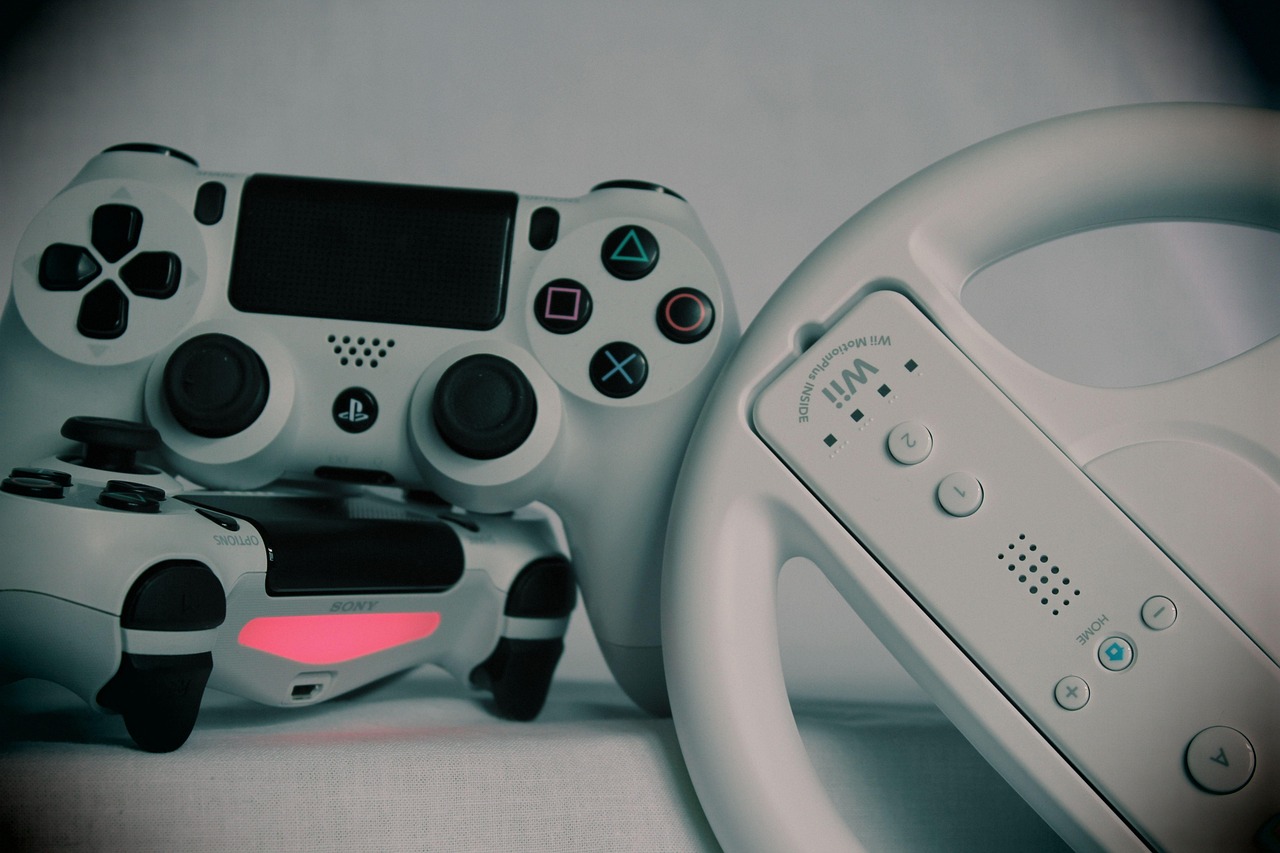
The bridge between your intent and the game’s reaction is your input device, and mastering this connection is the first step toward mechanical dominance. Precision is not just about accuracy; it is about the consistency of your rhythm throughout a match.
A. Mastering Frame-Perfect Execution
In high-level play, many abilities or movements have specific windows of opportunity measured in individual frames. Learning to hit these marks consistently allows you to cancel animations or stack effects that average players cannot replicate.
B. Input Buffering and Command Queuing
Understanding how a game engine handles multiple inputs allows you to “buffer” your next move while the current animation is still playing. This technique eliminates the dead time between actions, making your gameplay feel significantly faster and more fluid.
C. Developing Muscle Memory for Complex Combos
Drilling specific sequences until they become subconscious allows your brain to focus on the broader strategy rather than individual keystrokes. This “automated” execution is what separates veterans from beginners who are still thinking about which button to press.
Advanced Movement and Spatial Awareness
Movement is arguably the most underrated mechanic in competitive gaming, as it dictates your ability to engage, disengage, and survive. A player who can move unpredictably is much harder to track and kill than one who simply has good aim.
A. Utilizing Momentum and Physics Exploits
Many competitive titles have unique movement quirks, such as “bunny hopping,” “wave dashing,” or “slide canceling,” that allow for faster traversal. Mastering these exploits gives you a massive advantage in rotations and positioning over slower opponents.
B. Line-of-Sight Manipulation and Peeking Techniques
Using the environment to hide your hitbox while still being able to gather information is a hallmark of a professional. Techniques like “jiggle peeking” or “perspective masking” allow you to bait out enemy fire without taking damage yourself.
C. The Art of the Tactical Flank
Knowing when to leave the main group to take an unconventional path can break a defensive stalemate. This requires perfect timing and an intimate knowledge of map timings to ensure you arrive at the right moment to catch the enemy off guard.
The Science of Resource Management
In almost every competitive game, you are managing a set of limited resources, whether it is mana, stamina, ammunition, or cool-downs. Mechanics in this category are about the efficiency of your “economy” throughout the game.
A. Tracking Enemy Cool-downs and Power Spikes
A dominant player doesn’t just watch their own timers; they have an internal clock for the opponent’s most dangerous abilities. Engaging right after an enemy has wasted their “ultimate” is the easiest way to secure a mechanical win.
B. Optimal Rotation of Defensive Layers
Instead of using all your defensive tools at once, learn to cycle them to maintain constant protection. This “layered” approach ensures that you are never caught completely vulnerable when the enemy initiates a fight.
C. Efficiency in Looting and Equipment Upgrades
In Battle Royale or MOBA titles, the speed at which you acquire and optimize your gear is a mechanical skill in itself. Every second spent staring at a menu is a second you are not positioning or pressuring the map.
Psychological Conditioning and “The Zone”
Advanced mechanics are useless if your nerves fail you at the critical moment, making mental fortitude just as important as physical speed. High-level play requires a state of “flow” where action and awareness merge into one.
A. Managing Adrenaline and Heart Rate Control
The “shaky hands” that come with a 1v1 clutch situation are the result of an uncontrolled adrenaline spike. Learning breathing techniques can help you stay calm, ensuring your micro-movements remain precise under pressure.
B. Anti-Tilt Strategies and Emotional Resilience
A single mistake can lead to a spiral of poor mechanical execution if you allow frustration to take over. Successful pros treat every death as a data point rather than a failure, allowing them to reset instantly for the next round.
C. Visual Focus and Eye-Tracking Optimization
Where you look on the screen determines how fast you react to threats in your peripheral vision. Training your eyes to scan specific high-value areas rather than staring at your own character model improves your overall reaction time.
Synergy Between Hardware and Human Performance
While skill is paramount, the tools you use act as a multiplier for your mechanical potential. Optimizing your setup ensures that your hardware is never the bottleneck for your performance.
A. Optimizing Polling Rates and Sensor Accuracy
A mouse with a high polling rate and zero hardware acceleration ensures that every millimeter of movement is translated 1:1 into the game. This consistency is vital for developing the reliable flick-shots required in shooters.
B. High Refresh Rate Displays and Motion Clarity
Moving from 60Hz to 240Hz or higher significantly reduces motion blur, making it easier to track fast-moving targets. The increased visual information allows your brain to make mechanical adjustments much faster.
C. Customizing Keybinds for Ergonomic Efficiency
The default controls are rarely the most efficient for advanced mechanics. Remapping high-frequency actions to buttons that don’t require you to move your fingers off the movement keys can shave precious milliseconds off your reaction time.
Decoding the Meta: Adaptation and Counter-Play
The “meta” isn’t just about what is strong; it’s about what everyone thinks is strong. Dominating the meta involves understanding its weaknesses and developing mechanical counters to popular strategies.
A. Analyzing Patch Notes and Hidden Changes
Small adjustments to damage numbers or ability ranges can completely shift which characters or weapons are viable. Being the first to discover a new mechanical interaction after a patch gives you a short-term “knowledge gap” over the field.
B. Developing “Anti-Meta” Mechanics
If everyone is playing a specific defensive style, the meta-dominant player will practice the specific mechanics that break that defense. This proactive approach forces the opponent into a style of play they are not comfortable with.
C. VOD Review and Pattern Recognition
Watching your own replays allows you to see mechanical errors that you missed in the heat of the moment. It also helps you identify the habits of top-tier players, allowing you to “steal” their most effective mechanical tricks.
Role-Specific Mechanical Mastery
In team-based games, your mechanical focus should shift based on your specific role within the squad. Each position requires a different set of advanced skills to be effective.
A. The Frontline: Spacing and Aggression Management
For tanks or entry-fraggers, the primary mechanic is “spacing”—the ability to occupy ground and force the enemy to retreat. This involves a mix of physical positioning and the calculated use of threat-based abilities.
B. The Support: Clutch Timing and Utility Precision
Supports often have the most complex mechanical kits, requiring them to land precise heals or crowd control while staying alive. Their mechanics are less about raw speed and more about “clutch” timing during chaotic moments.
C. The Carry: Target Prioritization and Perfect Kiting
The “carry” role focuses on maximizing damage output while maintaining perfect safety. “Kiting”—the act of moving between every single attack—is the most important mechanic to master to prevent being dived by the enemy.
Team Dynamics and Synchronized Mechanics
In the highest tiers of esports, mechanical dominance is a team effort where players must synchronize their actions to create “combos” that are impossible to survive.
A. Layering Crowd Control and Burst Damage
A team that can time their abilities to hit at the exact same millisecond can delete an enemy before they have a chance to react. This requires incredible communication and a shared sense of timing among all team members.
B. Cross-Mapping and Tactical Trade-Fragging
When one player moves, the others must adjust their mechanics to cover the angles that were just opened. “Trading” refers to the mechanical skill of instantly killing an enemy who just killed your teammate, maintaining the numbers advantage.
C. Information Sharing and “Live” Pinging
Using in-game ping systems or verbal callouts to guide a teammate’s mechanical aim is a force multiplier. A player who knows exactly where an enemy is before they turn a corner has already won the mechanical duel.
The Long-Term Grind: Practice Routines that Work
Professional-level mechanics are not built in a day; they are the result of thousands of hours of deliberate practice. Your routine should be designed to push your limits every single day.
A. Isolation Drills for Specific Weaknesses
If you struggle with a specific move, spend 30 minutes a day doing nothing but that one move. Isolating the mechanic allows you to build the necessary neural pathways much faster than just playing regular matches.
B. Scrimmaging Against Superior Opponents
The fastest way to improve your mechanics is to get beaten by someone better than you. Playing against high-level opponents forces you to sharpen your timing and eliminates the lazy habits you might get away with in lower ranks.
C. Maintaining Physical Health for Peak Performance
Your hands, wrists, and eyes are your tools; if they are tired or injured, your mechanics will suffer. Regular stretching, hydration, and proper sleep are non-negotiable for anyone serious about competitive gaming.
Strategic Use of In-Game Settings and Configs
Sometimes the best mechanical “buff” comes from your settings menu. Professionals spend hours fine-tuning their configurations to remove visual clutter and maximize clarity.
A. Optimizing FOV (Field of View) for Awareness
A wider FOV allows you to see more of the battlefield but makes targets smaller and harder to hit. Finding the “sweet spot” for your specific resolution is a key part of your mechanical setup.
B. Audio Engineering and Footstep Clarity
Competitive gaming is a multi-sensory experience, and sound is often your first hint of an enemy’s position. Using EQ settings to boost high-frequency sounds like footsteps or reload clicks gives your mechanics a head start.
C. Disabling Non-Essential Visual Effects
Motion blur, depth of field, and high-quality shadows may look nice, but they obscure information and can lower your frame rate. Stripping the game down to its most readable form is a common pro tactic to improve mechanical focus.
Conclusion

Mastering advanced mechanics is the most definitive way to secure your place in the top tier of competitive gaming. Input precision and frame-perfect timing serve as the foundation upon which all other high-level skills are built. Dynamic movement allows you to control the pace of the battle and survive situations that would kill average players.
Resource management ensures that you always have the necessary tools available when the decisive moment of a match arrives. A calm and focused mind is required to translate your technical practice into consistent performance under tournament pressure.
High-performance hardware acts as a vital bridge that ensures your physical intent is perfectly mirrored in the game engine. Adapting to the ever-shifting meta allows you to stay ahead of the curve and exploit the weaknesses of common strategies.
Role-specific mastery ensures that you are providing the maximum possible value to your team within your chosen niche. Synchronized team mechanics turn a group of talented individuals into a dominant and unstoppable force on the battlefield.
Deliberate and isolated practice routines are the only way to build the muscle memory required for elite-level execution. Optimizing your in-game settings removes the digital noise that can distract you from making precise mechanical plays. Physical health and ergonomic awareness protect your career longevity by preventing the injuries common to high-intensity gaming.
The journey to mechanical dominance is a marathon of small improvements that eventually lead to massive competitive advantages. Ultimately, the players who win are the ones who combine raw technical talent with a deep strategic understanding of the game.