Competitive gaming is currently shifting from simple fast reflexes toward deep mental mastery and strategic foresight. For many years, players thought they could only win by having the quickest fingers in the room. We now see that the most successful gamers are those who treat every match like a high-speed game of chess.
This evolution means you must understand map control, resource management, and your opponent’s psychological state. Mastering these tactical skills allows you to beat players who might actually have better physical aim than you. It is about working smarter instead of just pushing buttons faster during intense moments.
This article explores the core pillars of competitive play and how you can apply them to any genre. You will learn how to read the flow of a match and position yourself for a guaranteed victory. Let us dive into the technical and mental secrets that separate the casual players from the true legends.
Modern gaming requires a proactive strategy where you stay two steps ahead of every enemy move on the screen. From understanding complex hitboxes to managing your team’s ultimate abilities, the depth of tactical play is truly incredible. You do not need a professional coach to improve if you know how to analyze your own performance and mistakes.
This guide breaks down the complicated concepts of “game sense” into easy, actionable steps that you can use tonight. We will show you how to identify the hidden patterns that most players completely ignore during a hectic battle.
You will discover why your positioning is often more important than the weapon or character you choose to play. The goal is to build a resilient mindset that keeps you calm when the pressure starts to rise. Join us as we decode the art of winning and help you master the ultimate competitive playground.
Developing Advanced Map Awareness And Positioning
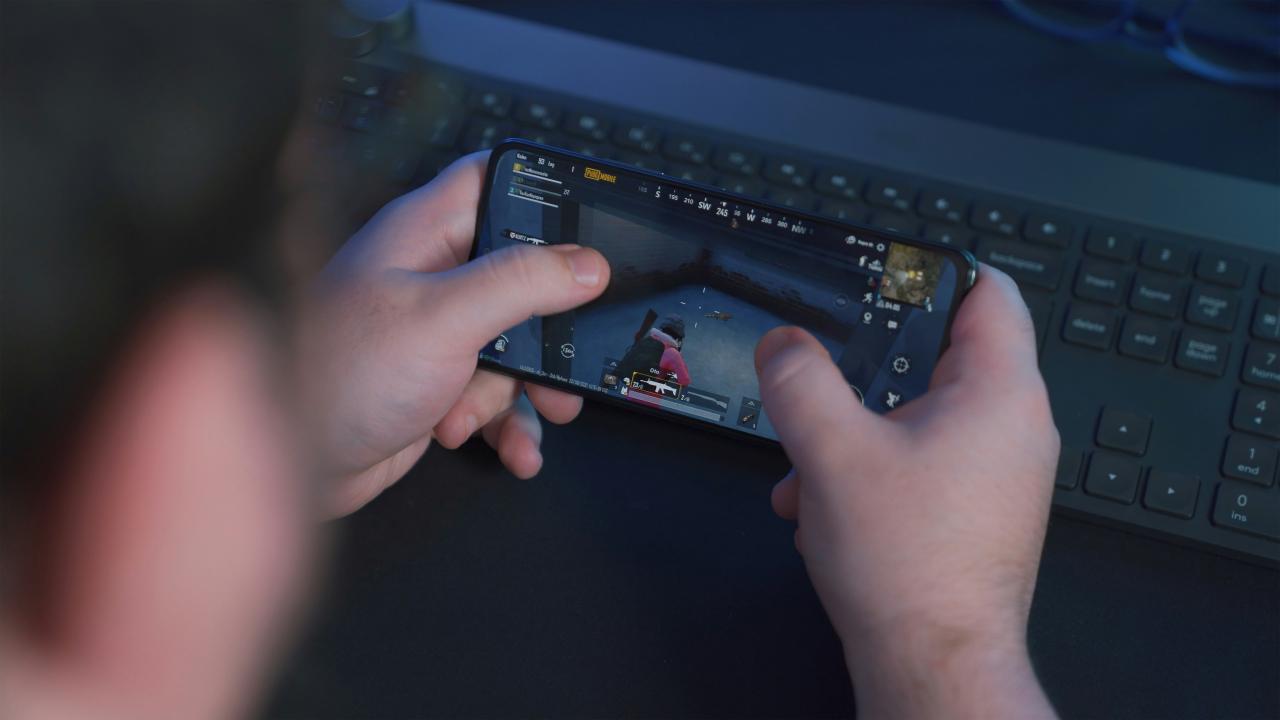
Map awareness is the ability to track everything happening in the game world, even when it is not on your screen. In the past, players focused only on what they could see directly in front of their character’s face. Now, elite competitors use the mini-map and audio cues to predict where an enemy will appear next.
This allows you to set up “flanks” or defensive positions before the fight even begins, giving you a massive advantage.
Proper positioning ensures that you always have a way to escape if a situation turns dangerous or unpredictable. It is the foundation of a “survival-first” mindset that keeps you in the game longer than your opponents.
A. Analyzing the high-ground advantages and natural cover provided by different environmental structures.
B. Tracking the “spawn points” to predict exactly where the enemy team will regroup after a loss.
C. Using line-of-sight techniques to stay hidden while still gathering vital information on enemy movements.
D. Mastering the “rotation” paths to move across the map faster and more safely than the average player.
The biggest problem for most gamers is “tunnel vision,” where they focus so hard on one enemy that they get surprised from the side. You solve this common mistake by training yourself to look at your mini-map every five to ten seconds during a match.
Think of it like checking your mirrors while driving a car; it must become a natural and automatic habit. When you know where everyone is, the fear of the unknown disappears, and your confidence in your own tactics will skyrocket.
Mastering Resource Management And Economy
Every competitive game has some form of “economy,” whether it is gold, mana, ammo, or powerful character cooldowns. Inexperienced players often waste their most powerful abilities as soon as they see an enemy, leaving them helpless for the rest of the fight.
Professionals save their “resources” for the perfect moment when they can achieve the maximum impact on the game’s outcome. This requires a deep understanding of “trading” where you spend a small amount of your resource to force the enemy to spend a lot of theirs.
If you manage your economy better than the opponent, you will eventually win through sheer mathematical advantage. It is a slow and steady way to crush the competition without taking unnecessary or risky gambles.
A. Tracking enemy cooldowns to know exactly when they are vulnerable to a sudden counter-attack.
B. Managing your in-game currency to ensure you always have the best equipment for the most important rounds.
C. Balancing the use of “low-cost” abilities to harass the enemy while keeping your “ultimates” for the final push.
D. Evaluating the “return on investment” for every item or upgrade you buy during a long match.
Many players feel frustrated because they lose to “weaker” opponents who simply have better items or more powerful gear. You solve this “power gap” by learning when to play defensively to save your resources for a future big play.
Sometimes, losing a small battle on purpose can help you win the entire war if it puts you in a better financial position later. Strategic patience is a skill that takes time to learn, but it is the most consistent way to climb the competitive ranks.
The Psychology Of The Mind Game
The mental side of gaming is just as important as the physical side, especially in high-stakes matches against skilled human opponents. “Mind games” involve tricking your enemy into making a mistake by feeding them false information or behaving unpredictably on purpose.
If you always take the same path or use the same tactic, a smart opponent will eventually figure you out and shut you down. You must learn how to “condition” your enemy to expect one thing, then suddenly hit them with something completely different and unexpected.
This creates a state of “mental fatigue” for the opponent, where they start to second-guess their own decisions and lose their focus. Controlling the pace of the match means you are the one who decides when the big fights happen.
A. Using “feints” and fake movements to draw out enemy abilities without putting yourself in real danger.
B. Maintaining a “poker face” in-game by not showing signs of panic or frustration when things go wrong.
C. Analyzing the patterns of your opponent’s behavior to find their specific weaknesses and “tells” under pressure.
D. Staying calm and focused during “clutch” moments when the entire match depends on your next single move.
The most dangerous enemy you face is often your own “tilt,” which is the anger or frustration that ruins your decision-making skills. You solve this mental hurdle by taking a short break after a bad loss to reset your brain and clear your thoughts.
Never start a new match while you are still thinking about the mistakes of the previous one, as it will only lead to more errors. A clear and focused mind is the most powerful weapon in your entire gaming arsenal, so protect it at all costs.
Effective Team Communication And Synergy
Most modern competitive games are team-based, meaning you cannot win consistently if you try to do everything by yourself. Clear and concise communication is the glue that holds a winning team together during a fast-paced and chaotic match.
You must share vital information quickly, such as enemy locations, health levels, and your own plan for the next thirty seconds. Synergy happens when different characters or players combine their skills to create a result that is much stronger than any individual effort.
This requires you to put your ego aside and play the role that your team needs most at that specific moment. A team that talks and works together will almost always beat a team of “all-stars” who refuse to cooperate with each other.
A. Using “pings” and short voice commands to give your teammates instant information without clogging the audio.
B. Developing “combo” strategies where multiple players use their abilities at the exact same time for a team-wipe.
C. Supporting your teammates when they make a mistake rather than blaming them and hurting the team’s morale.
D. Learning the basic mechanics of every character so you know how to best help your allies in any situation.
It is very common to get stuck with “toxic” teammates who spend more time arguing than actually playing the game to win. You solve this social problem by being the “positive leader” who focuses only on the next objective and the current plan.
If someone is being too loud or negative, use the “mute” button quickly so you can focus on your own performance and tactical awareness. Leading by example is the best way to turn a group of strangers into a winning and coordinated unit.
Conclusion
Competitive mastery in gaming represents a strategic breakthrough, replacing raw aggression with innovative map awareness and resource management that ensure you outsmart the enemy in every match.
By prioritizing mental composure and tactical communication, you can effectively eliminate the risks of tilting and team friction while benefiting from a smarter, calculation-based approach to every skill and cooldown.
Taking immediate action to analyze your replays and refine your reflexes allows you to reclaim your lead, grow your in-game wealth, and secure a more consistent victory through disciplined team coordination.
The path to a professional and high-performance gaming career is clear when you use learning as your primary tool to fuel rapid growth and achieve ultimate freedom on the leaderboard.