
The world of professional competitive gaming has evolved from small local tournaments into a multi-billion dollar global phenomenon that rivals traditional sports. For many decades, skeptics viewed gaming as a simple hobby or a solitary activity played in dimly lit basements without any real financial potential.
This traditional perspective failed to anticipate the massive digital infrastructure and the passionate global fanbases that now support elite players and organizations. However, the emergence of live-streaming platforms and massive brand sponsorships has transformed this niche interest into a high-stakes professional industry.
This transition represents a monumental shift from casual play to a structured corporate ecosystem featuring dedicated arenas, professional coaching staff, and multi-million dollar prize pools.
We are entering an era where digital athletes command the same level of influence and earning power as major celebrities in the music or film industries. This innovation addresses the critical challenge of monetization by creating multiple revenue streams that include media rights, digital merchandise, and physical event ticket sales.
By integrating advanced data analytics with high-production value broadcasts, the industry is attracting a new generation of investors and corporate partners. This article explores the most effective and proven methods to thrive within the competitive gaming economy and how you can capitalize on its rapid growth.
The Evolution of Professional Team Organizations
Modern gaming organizations now operate like professional sports franchises with complex management structures and significant capital investments. These teams no longer just focus on winning games; they build global brands that span multiple titles and social media platforms.
I believe that “brand diversification” is the only way for a team to survive the volatile nature of competitive meta-changes and game popularity shifts. You solve the problem of financial instability by turning your team into a lifestyle media company that sells merchandise and exclusive content to millions of followers.
This perspective ensures that the organization remains profitable even during a losing season on the digital battlefield.
A. Diversified Revenue Streams for Stability
Teams generate income through sponsorships, prize money, and the sale of digital items like in-game “skins” or team-branded stickers.
This variety protects the organization from relying too heavily on one source of cash flow that might disappear overnight. It creates a robust business model that can support high salaries for players and expensive training facilities in major cities.
B. Professional Training and Performance Coaching
Elite organizations now hire physical therapists, mental coaches, and data analysts to ensure their players are at their absolute peak performance.
This holistic approach prevents player burnout and extends the careers of young athletes who face intense pressure and long practice hours. It treats the players like high-value assets, protecting the team’s investment through careful health management and psychological support systems.
C. Regional Franchising and Global Expansion
Many leagues are moving toward a city-based franchising model to build local fan loyalty and secure long-term investment from traditional sports owners. This creates a sense of “home team” pride that encourages fans to buy tickets for local matches and support their regional representatives.
It provides a stable framework for the league, ensuring that teams have a permanent spot in the competition regardless of their short-term performance.
The Impact of Streaming and Content Creation
Streaming platforms like Twitch and YouTube have completely changed how fans interact with their favorite players and teams in real-time. A professional player is often a full-time entertainer who builds a deep personal connection with their audience through daily live broadcasts.
My new perspective is that “community engagement” is more valuable than winning a trophy because it creates a loyal fanbase that follows the individual player for life. You solve the problem of career longevity by building a personal brand that exists independently of any specific team or game title.
This perspective turns a professional gamer into a versatile media personality who can generate income through subscriptions, donations, and direct fan interactions.
A. The Subscription and Donation Economy
Fans can support their favorite creators directly by paying a monthly fee or sending “bits” and tips during a live stream. This provides a predictable and steady income for the creator, allowing them to focus on producing high-quality content without needing constant sponsorships.
It creates a democratic system where the community decides who is successful based on the value and entertainment they provide.
B. Collaboration and Influencer Networks
Creators often work together on “collab” streams to share their audiences and grow their reach across different regions and demographics.
These networks act as a powerful marketing force that can make a new game go viral in a matter of hours through coordinated promotion. It shows that cooperation is often more profitable than pure competition in the world of digital media and content production.
C. The Rise of the V-Tuber and Digital Avatars
Some creators use high-tech digital avatars to protect their privacy while still providing an engaging and interactive experience for their fans.
This allows for a unique form of storytelling and roleplay that is not possible with traditional face-cam streaming setups. It opens the door for a wider variety of personalities to enter the industry and find success without the pressure of physical appearance.
Technology and Infrastructure for Global Events
Hosting a global gaming tournament requires a massive technical setup that can handle low-latency broadcasts to millions of viewers simultaneously. The production value of these events now includes augmented reality, 360-degree cameras, and stadium-sized LED screens.
I suggest that “immersion technology” is the secret to making a digital event feel as exciting and high-stakes as the Super Bowl or the World Cup. You solve the problem of viewer fatigue by creating a spectacle that uses data-driven graphics to explain the complex action happening on the screen.
This perspective makes the game accessible to casual viewers while providing deep insights for the hardcore fans who analyze every frame of the match.
A. Low-Latency Global Broadcasting Networks
Companies use content delivery networks (CDNs) to ensure that the stream reaches viewers in different countries without any buffering or delay.
This allows for a shared experience where fans in New York and Tokyo can celebrate a winning play at the exact same moment. It builds a truly global community that is not restricted by geography or local time zones.
B. Augmented Reality (AR) and In-Game Spectator Tools
Producers can now project 3D models of the game’s characters and maps directly onto the physical stage for the live audience to see.
This bridges the gap between the virtual and physical worlds, making the digital action feel much more real and impactful. It provides a visual depth that traditional television broadcasts cannot replicate, creating a unique selling point for live event tickets.
C. Mobile Connectivity and 5G Integration
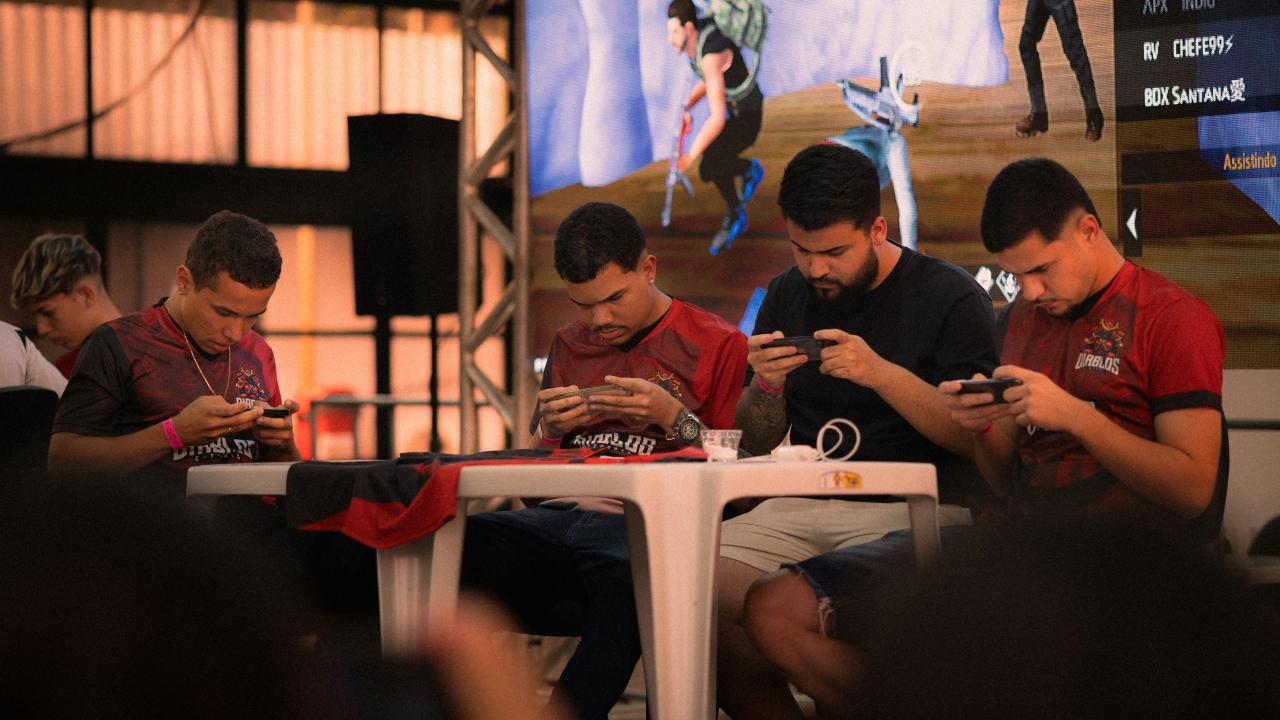
The rise of 5G technology allows for high-quality gaming and streaming on the go, making competitive play accessible in regions without stable home internet.
This has led to the explosion of mobile e-sports in emerging markets where the smartphone is the primary device for entertainment. It ensures that the industry can continue to grow by reaching billions of potential fans in Asia, Africa, and Latin America.
The Role of Data Analytics and AI in Pro Play
Data is the lifeblood of modern competitive gaming, as teams use advanced software to track every movement, click, and decision made during a match. Artificial intelligence can analyze thousands of hours of gameplay to find patterns and weaknesses in an opponent’s strategy that a human might never notice.
My perspective is that “algorithmic coaching” is the next frontier for teams looking to find a competitive edge in a crowded field. You solve the problem of stagnant strategies by using machine learning to simulate different scenarios and find the most efficient path to victory.
This perspective turns the game into a high-speed chess match where the winner is the one with the best data and the fastest processing speed.
A. Player Performance Tracking and Biometrics
Sensors can track a player’s heart rate, eye movement, and even brain activity to see how they handle stress during a high-pressure match.
This data helps coaches decide when to call a timeout or when a player needs to be subbed out for a fresh teammate. It brings a scientific approach to training that reduces the risk of injury and maximizes the player’s potential output.
B. Automated Scouting and Talent Identification
AI programs can scan the leaderboards of casual games to find “hidden gems”—young players with the mechanical skill to turn professional.
This creates a global and merit-based path to the pro leagues, where a kid in a small town can get noticed by a major team based solely on their data. It removes the traditional barriers of networking and location, making the industry more inclusive and diverse.
C. Real-Time Odds and Betting Integration
Advanced algorithms can predict the outcome of a match in real-time, providing live odds for fans who enjoy the thrill of sports betting.
This has created a massive secondary economy that drives engagement and provides additional revenue for leagues and data providers. It adds a layer of excitement for the viewers while requiring a high level of integrity and regulation to prevent any form of match-fixing.
Brand Partnerships and the Mainstream Shift
Major global brands that were once hesitant to associate with gaming are now pouring hundreds of millions of dollars into the industry. From luxury fashion houses to automotive giants, everyone wants a piece of the young and tech-savvy audience that watches competitive play.
I believe that “authentic integration” is the only way for a brand to win over the gaming community without being seen as an intruder. You solve the problem of ad-fatigue by creating partnerships that actually add value to the viewer’s experience, such as exclusive in-game items or high-quality documentary content.
This perspective turns a standard sponsorship into a cultural collaboration that benefits both the brand and the gaming ecosystem as a whole.
A. Luxury Fashion and Digital Skins
High-end designers are now creating digital outfits for characters in games like League of Legends and Fortnite, allowing players to show off their style in the virtual world.
This creates a new revenue stream for the fashion industry and helps the game developer build a more premium and aspirational brand image. It proves that virtual property can have as much social status and value as physical luxury goods.
B. Non-Endemic Sponsors and Corporate Growth
Insurance companies, banks, and beverage brands are now the primary sponsors of many professional leagues and tournaments.
This influx of “non-endemic” capital has allowed the industry to scale its production values and provide higher prize pools for the players. it shows that gaming is no longer a niche hobby but a mainstream entertainment category that is here to stay for the long term.
C. Celebrity Owners and Cross-Media Crossover
Famous rappers, actors, and traditional athletes are buying stakes in gaming teams to diversify their personal portfolios and reach a younger audience.
This crossover brings a new level of media attention and “cool factor” to the industry, helping it break into the general public’s consciousness. It creates a bridge between different entertainment worlds, allowing for unique collaborations and massive growth in brand awareness.
Education and Career Paths in the Gaming World
As the industry grows, it is creating thousands of new jobs in areas like event management, broadcast engineering, and legal representation for digital athletes. Universities are now offering scholarships for gaming and specialized degrees in e-sports management to prepare the next generation of professionals.
My new perspective is that “formalized education” is the key to professionalizing the industry and removing the old stigmas associated with gaming. You solve the problem of the “short career span” for players by giving them the skills they need to transition into management or production roles after they retire from competition.
This perspective builds a sustainable talent pipeline that ensures the industry has the leadership it needs to thrive for decades.
A. E-sports Scholarships and Varsity Programs
Colleges are building high-tech gaming arenas and recruiting top talent just like they do for football or basketball teams. This provides a path to a degree for talented gamers and helps the school build its brand among the younger generation of students.
It creates a structured and safe environment for young people to hone their skills while getting a valuable education at the same time.
B. Specialized Legal and Talent Management
The rise of multi-million dollar contracts has led to a need for specialized lawyers and agents who understand the unique complexities of the gaming world.
These professionals protect the rights of the players and ensure that the contracts are fair and transparent for all parties involved. It brings a level of maturity and security to the industry that was missing in the early, unregulated days of the scene.
C. Grassroots Development and Amateur Leagues
Local communities are starting their own small leagues to provide a space for casual players to experience the thrill of organized competition.
These grassroots movements are the foundation of the entire ecosystem, providing a place for new talent to grow and for fans to connect with their peers. It ensures that the industry stays connected to its roots while it continues to scale into a global corporate powerhouse.
Conclusion
Competitive gaming is the best and only way to reach the young digital crowd today. You must embrace the new tech to stay fast in this high speed market. Pro teams act like big and smart sports teams to reach the very top.
You solve your money problems by building a strong and unique personal brand. Streaming platforms allow you to connect with every and each fan in the world. AI and data help the best players reach a total and final peak performance.
Events in large arenas show that gaming is a major victory for the global culture. Brand sponsors provide the cash for a much better and brighter future. Innovation in the gaming world helps everyone win in the long and hard run.
The future belongs to those who see the high value of digital play today. Every single new tournament is a step toward a much better and free world. The best time to join the pro gaming revolution is right now this year.
Support your future career by treating gaming like a professional and high value tool. Stay curious about new games to keep your organization at the very edge. The journey to total and final dominance starts with one single and smart step.