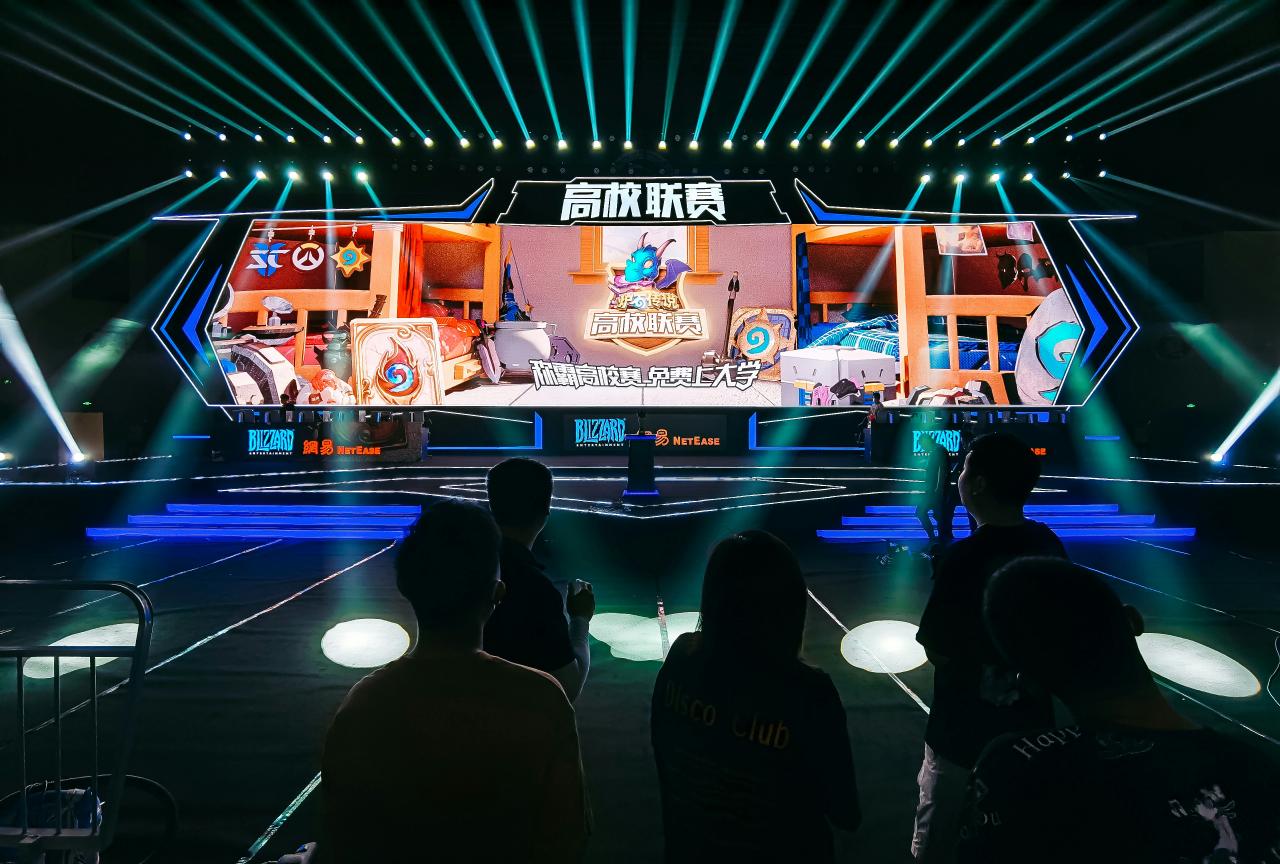

The global phenomenon of competitive video gaming, or esports, has explosively transcended its niche origins to become a mainstream entertainment industry, evolving from simple basement competitions into massive, stadium-filling events, yet the heart of this billion-dollar spectacle does not reside in the physical arenas, but within the interconnected digital platforms that broadcast every second of high-stakes competitive action to a global audience.
Unlike traditional sports, which rely heavily on legacy television networks, esports was fundamentally born on the internet, making streaming platforms the indispensable, central nervous system of its entire ecosystem, acting as both the distribution channel for official leagues and the vital community hub for individual pro players and enthusiastic fans alike.
This inherent dependency on digital distribution has intensified a fierce, high-stakes battle among technology giants—the streaming wars—who are aggressively competing to secure exclusive rights, dominate viewer hours, and capture the immense economic value generated by dedicated esports fandom, transforming these platforms into crucial battlegrounds for market share, advertising revenue, and cultural dominance.
The continuous innovation in streaming technology, coupled with massive investments in talent acquisition and content rights, is not just about moving video data efficiently; it is about cultivating sticky, interactive communities and controlling the digital real estate where the next generation of entertainment is consumed, making this rivalry a central narrative in the ongoing maturation of the entire esports landscape.
Pillar 1: The Dominant Streaming Platforms
Analyzing the key players who control the distribution of competitive gaming content globally.
A. Twitch: The Established Titan
The platform that defined the culture and built the esports viewing model.
-
Foundational Identity: Twitch, originally Justin.tv, was the first platform to truly legitimize game streaming as a viable professional and entertainment pursuit, cementing its place as the cultural home of esports.
-
Community and Interactivity: Its strength lies in its highly interactive chat functionality and strong social features, allowing viewers to engage directly with streamers and fellow fans in real-time, creating a sense of shared community.
-
Monetization Infrastructure: Twitch provides robust, established monetization tools for content creators, including subscriptions, Bits (virtual currency), and integrated advertising, making it the preferred livelihood platform for most pro players and major organizations.
B. YouTube Gaming: The Global Challenger
Leveraging video-on-demand dominance and massive global reach.
-
VOD Archive Power: YouTube’s massive advantage is its superior video-on-demand (VOD) functionality and permanent content archive, allowing fans to easily catch up on missed live events, highlights, and educational content.
-
Global Reach: Backed by Google, YouTube offers unparalleled global reach and localization capabilities, making it a highly attractive partner for international esports leagues seeking broad audience penetration.
-
Content Diversity: While Twitch focuses primarily on live streaming, YouTube’s existing ecosystem supports a wider range of content formats, including short-form clips, long-form documentaries, and traditional influencer videos, creating multiple entry points for new fans.
C. Regional and Emerging Contenders
Platforms targeting specific geographic or language markets.
-
Chinese Platforms (DouYu, Huya): These platforms dominate the enormous, highly centralized Chinese market, often boasting peak concurrent viewership numbers that rival or surpass global Western platforms for major Chinese-language tournaments.
-
Platform Exclusivity Wars: Historically, there have been intense bidding wars where platforms like Mixer (now defunct) and various regional players offered massive, multi-million dollar contracts to secure high-profile streamers and exclusive league rights.
-
Social Media Integration: Newer players are focusing on leveraging social media giants (e.g., TikTok and Instagram integration) to create short-form esports content tailored for mobile consumption and discovery.
Pillar 2: The Core Revenue Streams of Esports Streaming
How platforms and organizations convert massive viewership into significant income.
A. Advertising and Sponsorship
The largest and most traditional source of streaming revenue.
-
Pre-Roll and Mid-Roll Ads: Platforms insert video advertisements before and during streams, with rates heavily dependent on the streamer’s average concurrent viewership (ACV) and total monthly hours watched.
-
Overlay and Banner Ads: Non-intrusive visual advertising elements are placed directly on the stream interface, providing continuous brand presence without interrupting the live gameplay action.
-
Brand Integrations: Esports teams and popular streamers secure lucrative deals for integrated sponsorships, featuring products visibly in the background, conducting sponsored challenges, or running dedicated segments for a brand partner.
B. Direct Audience Monetization
The revenue generated directly by dedicated fans.
-
Subscriptions and Memberships: Fans pay a monthly fee for premium access (e.g., ad-free viewing, exclusive emotes, subscriber-only chat modes) on platforms like Twitch and YouTube, providing streamers with a reliable recurring income.
-
Donations and Tips: Viewers use virtual currencies (like Twitch Bits or YouTube Super Chat) to send direct, immediate tips to streamers, often accompanied by a personalized message or animation that appears on the screen.
-
Tiered Fan Access: Organizations offer tiered membership programs through streaming platforms or dedicated websites, providing escalating levels of exclusive content, merchandise discounts, or meet-and-greet opportunities.
C. Media Rights and Exclusivity Deals
High-value contracts signed with major esports leagues.
-
League Exclusivity: Platforms pay enormous fees to secure exclusive rights to broadcast major esports leagues(e.g., the League of Legends LCS or the Overwatch League) for a defined period, forcing fans to use their service.
-
White-Label Solutions: Publishers or league organizers sometimes develop their own proprietary streaming portals, but often rely on major platforms for the distribution and stability necessary to handle massive peak traffic loads.
-
International Rights Licensing: Major leagues license broadcast rights to different streaming partners in various regions (e.g., one partner for North America, another for South Korea), maximizing global reach and revenue.
Pillar 3: The Metrics That Define Success

Understanding how “views” are measured, valued, and leveraged in the streaming industry.
A. Peak Concurrent Viewership (PCV)
The metric for instantaneous event popularity and platform strain.
-
Definition: PCV measures the highest number of unique individuals watching a live stream at any single moment during an event, often used to gauge the immediate excitement and drawing power of major finals or controversies.
-
Event Valuation: High PCV numbers are used to justify massive media rights fees and attract top-tier, non-endemic sponsors (like automotive or finance brands) who seek large-scale, live global exposure.
-
Platform Stability Test: PCV also serves as a critical test of the platform’s technological infrastructure, demonstrating its ability to handle sudden, massive traffic loads without buffering or failure.
B. Hours Watched (HW) and Average Concurrent Viewership (ACV)
The true indicators of sustained engagement and stream profitability.
-
Monetization Value: HW and ACV are more valuable to advertisers than PCV because they measure sustained engagement over time, indicating a reliable, captive audience for repeated ad impressions.
-
Streamer Tiering: Platforms use these metrics to categorize streamers into partnership tiers, with higher HW and ACV earning the best ad revenue splits and platform support resources.
-
Content Quality Indicator: High HW and ACV suggest that the streamer’s content is engaging, consistent, and provides genuine viewer value, demonstrating loyalty beyond mere curiosity clicks.
C. Audience Demographics and Interaction
The qualitative data that appeals most to modern sponsors.
-
Age and Income: Esports viewership is highly valuable due to its predominantly young, technologically savvy, and often disposable-income-rich demographic (18-34 years old), which is notoriously hard for traditional media to reach.
-
Chat Activity: The level of interaction within the chat function (messages per minute, emoticon usage) is a metric that gauges the health and vibrancy of the community surrounding a particular stream or event.
-
Influencer Marketing: Sponsors analyze the trust and authenticity between the streamer and their audience—often measured by conversion rates on product codes—to determine the efficacy of the influencer relationship.
Pillar 4: The Impact on Professional Players and Teams
How the streaming wars affect the careers and financial decisions of esports talent.
A. The Rise of the Streamer-Pro Hybrid
Balancing competitive commitment with content creation demands.
-
Dual Income Streams: Many professional players are now expected to maintain an active streaming presenceeven while competing, generating income through platform revenue and sponsorships separate from their team salary.
-
Brand Building: A strong personal streaming brand increases a player’s leverage during contract negotiations, as they bring a guaranteed, marketable audience to any team they join.
-
Burnout Risk: Balancing the demands of high-level competitive practice (often 8-10 hours a day) with the need to entertain a live audience can lead to significant mental and physical burnout among players.
B. Exclusive Signing Wars and Contracts
The multi-million dollar deals that reshaped the platform landscape.
-
Talent Migration: Platforms engage in intense competition to sign top-tier, established streamers to exclusive multi-year, multi-million dollar contracts, using them as a magnet to draw their dedicated audience base to the new platform.
-
Non-Compete Clauses: These contracts usually contain strict non-compete clauses, preventing the streamer from broadcasting on any rival platform for the duration of the agreement, concentrating the talent pool.
-
Team Ownership Conflicts: The split between a player’s team-related activities and their personal streaming schedule often creates complex contractual issues regarding sponsor exclusivity and intellectual property rights.
C. Teams as Content Production Houses
Organizations diversifying beyond tournament prize pools.
-
Content Over Competition: Many professional esports organizations now derive a significant portion of their revenue from content creation (YouTube videos, documentaries, streaming) rather than solely relying on tournament prize winnings.
-
Streaming Rosters: Teams now maintain dedicated “streaming” or “content creator” rosters—individuals paid solely to stream under the team banner—to maintain continuous brand presence and maximize platform revenue hours.
-
Training and Facilities: Modern team training facilities are designed not only for practice but also as high-quality broadcast studios, equipped with professional lighting, audio, and dedicated production staff for content capture.
Pillar 5: The Future of Esports Streaming Technology
Exploring emerging trends and technological innovations that will define the next phase of the wars.
A. Interactive and Customized Viewing Experiences
Moving beyond a simple video feed to an active viewer environment.
-
Co-Streaming (Watch Parties): Platforms are increasingly promoting official “co-streaming” capabilities, allowing popular streamers to simultaneously broadcast an official event feed while providing their own personalized commentary and community interaction.
-
Data Overlays: Future streams will allow viewers to toggle on customized data overlays, showing real-time player statistics, in-game gold advantages, or detailed bracket predictions directly on the video feed.
-
Choose-Your-View Functionality: Viewers will gain the ability to seamlessly switch between different camera feeds (e.g., player perspectives, bird’s-eye views, and caster desks) within the same live broadcast window.
B. Leveraging Web3 and Decentralization
Integrating blockchain technology into the fan experience.
-
Tokenized Fan Engagement: Platforms may integrate tokenized systems (cryptocurrency or NFTs) to reward loyal viewers, offering unique digital collectibles or voting rights within the ecosystem.
-
Decentralized Streaming Networks: Exploring the use of peer-to-peer or decentralized video distribution technologies to improve global streaming stability, reduce platform bandwidth costs, and potentially offer better ad revenue splits to creators.
-
Verified Digital Assets: Using blockchain to verify the authenticity and ownership of digital merchandise (like limited-edition emotes or in-game skins) sold during live streams.
C. The Rise of $5G$ and Cloud Gaming
Enabling higher quality, lower latency viewing and play.
-
Ultra-Low Latency: The rollout of $5G$ internet drastically reduces the delay (latency) between the live action happening in the game server and the broadcast reaching the viewer’s screen, making the viewing experience truly instantaneous.
-
4K/8K Broadcasts: Increased bandwidth capacity enables the standardization of ultra-high-definition streaming, bringing the visual spectacle of competitive games to the quality level expected by major traditional sports broadcasters.
-
Integrated Cloud Play: Future streaming platforms may directly integrate cloud gaming services, allowing viewers to immediately jump into a demo version of the game they are watching with a single click, blurring the line between viewer and player.
Conclusion: The Unstoppable Convergence of Gaming and Media

The battle for supremacy in esports streaming is far more than a simple fight over internet traffic; it is a foundational war for the future of digital entertainment consumption itself.
The success of any platform rests entirely on its ability to cultivate deep, sticky community engagement, utilizing features like interactive chat and co-streaming to make the viewing experience dynamic and participatory.
Revenue generation is meticulously structured, relying on the dual engines of large-scale advertising and media rights contracts, supplemented by the reliable recurring income generated directly from dedicated fan subscriptions and donations.
Metrics like Peak Concurrent Viewership (PCV) and Hours Watched (HW) are critical indicators that directly dictate advertising rates, media valuation, and the subsequent investment potential of entire leagues and teams.
The high demand for exclusive content has drastically redefined the careers of professional players, transforming them into hybrid streamer-competitors whose personal brand and audience reach are now highly marketable assets.
Looking ahead, technological innovation focused on hyper-customized viewing (e.g., customizable data overlays) and the implementation of $5G$ for ultra-low latency broadcasting will define the next competitive edge in this fierce market.
Ultimately, the streaming wars are accelerating the convergence of gaming, digital media, and social interaction, cementing esports as a globally dominant, resilient, and highly profitable entertainment property in the 21st century.