Introduction: Stepping into the Vibrant World of Video Games
The universe of video games is an incredibly vast and rewarding space, offering everything from competitive digital sports to deeply immersive, narrative-driven adventures. For newcomers looking to move past casual play and genuinely engage with gaming culture, the sheer volume of choices and the complexity of mechanics can feel overwhelming at first glance. However, embracing the challenge of learning to game seriously is the first exciting step toward a lifelong hobby, offering incredible opportunities for social connection, strategic thinking, and pure entertainment.
Becoming a competent gamer isn’t about innate talent; it’s a skill set developed through structured practice, a curious mind, and a willingness to learn from every defeat. It involves understanding the nuances of different genres, optimizing your personal setup, and adopting effective practice routines used by seasoned players. This guide is crafted to break down that daunting initial barrier, providing a clear, step-by-step roadmap to help any beginner transition smoothly into a knowledgeable and skilled member of the gaming community. We will explore everything from essential hardware to advanced learning mindsets, ensuring your journey into gaming is both enjoyable and highly productive.
Pillar 1: Establishing the Right Foundation (Hardware and Setup)
Before diving into complex strategies, a beginner must ensure their physical environment and equipment are conducive to effective learning and comfortable play. A faulty setup can hinder skill development and cause frustration.
A. Choosing Your Platform and Input Method
The first critical decision is selecting the machine and controller that best suits your goals and budget.
-
PC Gaming (The Flexible Choice): Offers the highest degree of customization, the best graphical fidelity, and access to the widest library of games, but requires a larger initial investment. Learning the Mouse and Keyboard (M+K) setup is crucial for precision genres like First-Person Shooters (FPS).
-
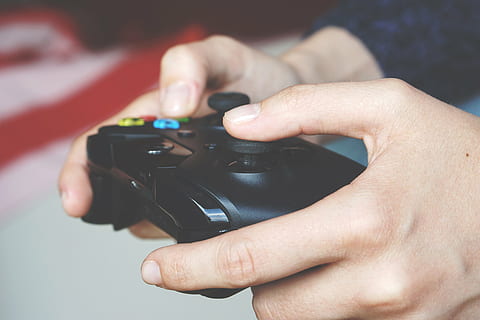
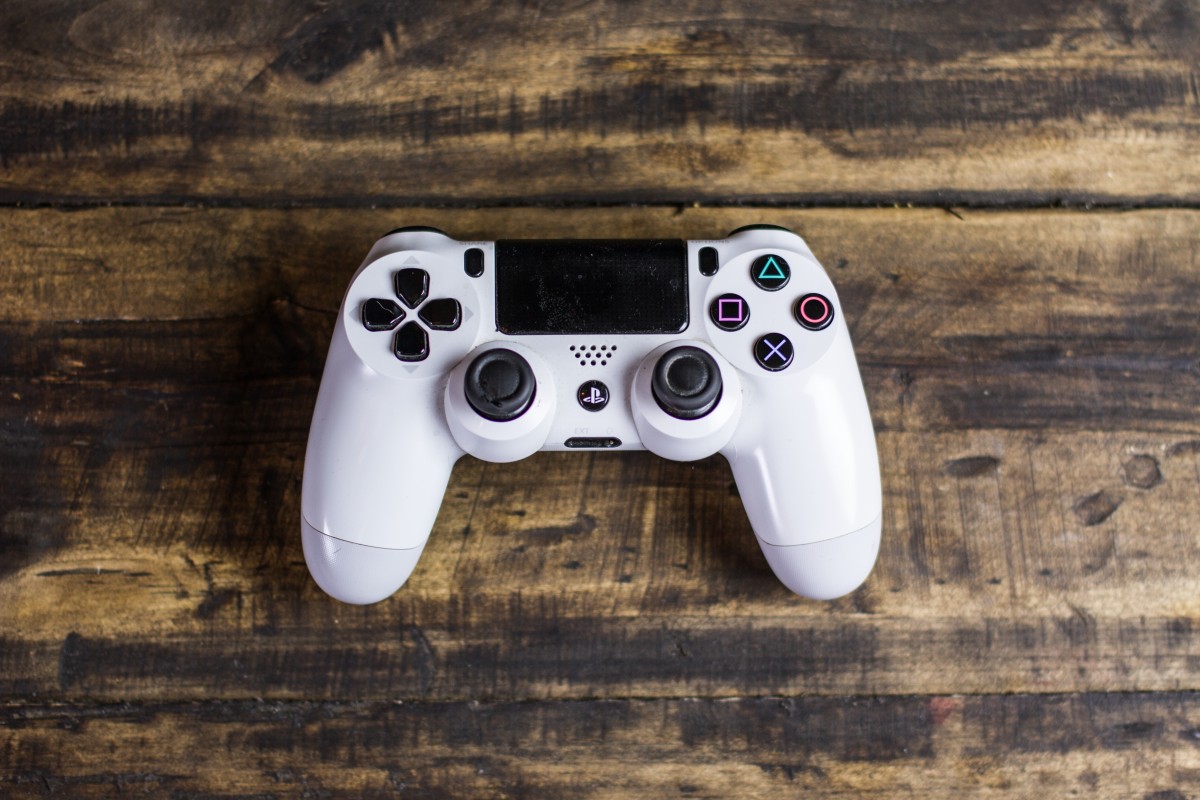
Console Gaming (The Accessible Choice): Provides a streamlined, plug-and-play experience with fewer technical headaches, focusing primarily on controller inputs. This platform is ideal for action-adventure games, sports simulations, and local multiplayer.
-
Mobile Gaming (The Ubiquitous Choice): The most accessible starting point, requiring minimal investment and offering immense portability, though competitive depth is often lower than on other platforms.
B. Optimizing the Playing Environment
A comfortable, dedicated space prevents fatigue and allows for longer, more focused practice sessions.
-
Ergonomics is Key: Invest in a comfortable chair and ensure your monitor is at eye level to prevent neck and back strain during long gaming sessions.
-
Input Stability: Ensure your mouse pad provides consistent tracking and your controller has no stick drift; reliable inputs are essential for building muscle memory.
-
Lighting and Reflection Management: A dimly lit room with a dedicated light source behind your monitor reduces eye strain, while minimizing reflections on the screen prevents distraction.
C. Essential Peripherals for Beginners
Good equipment doesn’t guarantee skill, but it certainly removes barriers to improvement.
-
A Reliable Headset: Crucial for competitive games where audio cues (footsteps, ability sounds) provide vital tactical information, and for clear communication with teammates.
-
A High Refresh Rate Monitor: For fast-paced games (FPS, Racing), a monitor with a refresh rate of $144\text{ Hz}$ or higher provides a significant visual advantage, making movements appear smoother.
-
A Responsive Mouse and Keyboard: Look for mechanical keyboards for tactile feedback and gaming mice with adjustable DPI settings to customize sensitivity.
Pillar 2: Mastering the Fundamentals (Core Mechanics)
Regardless of the genre—be it a massive multiplayer online role-playing game (MMORPG) or a fast-paced fighting game—certain fundamental skills underpin all successful gaming.
A. Developing Muscle Memory (Motor Skills)
Muscle memory is the foundation of mechanical skill, allowing you to perform actions quickly and accurately without conscious thought.
-
Drills for Precision: Dedicate time to non-game specific training apps (like aim trainers for FPS games) to isolate and improve mouse control and reaction time.
-
Repetitive Practice: Continuously practice complex input sequences or character combos in training modes until they become automatic, such as a difficult Dota 2 ultimate combination.
-
Consistency in Sensitivity: Avoid constantly changing your mouse or controller sensitivity settings; stick to one setting that feels comfortable and build muscle memory around it.
B. Understanding Game Pace and Flow
Every game has a rhythm; learning to recognize and control it is a sign of an intermediate player.
-
The Concept of Trading: In competitive games, understanding when to risk an aggressive play versus when to retreat and save resources is known as trading.
-
Resource Management: Learn to manage vital in-game resources, whether it’s cooldowns on powerful abilities, limited ammunition, or your character’s health and mana bars.
-
Pacing Yourself: Avoid panicking; learn to take a momentary breath to assess the game state before making a high-stakes decision.
C. Map Awareness and Positional Play
Knowing where you are, where your opponents are, and where you should be are universal tactical skills.
-
Minimap Discipline: Train yourself to glance at the minimap (if available) every few seconds; this habit provides crucial information about enemy movements and objectives.
-
Predictive Movement: Learn to anticipate where enemies will move based on the objective (e.g., in a Battle Royale, moving toward the center of the shrinking circle).
-
Using Cover Effectively: In all games, minimizing the angles from which you can be shot or attacked drastically increases your survivability.
Pillar 3: Strategic Learning (Mental Acumen)
True improvement comes from the ability to learn and adapt strategically, not just from faster reaction times. This involves utilizing external resources and internal review.
A. The Power of VOD Review
Reviewing your own gameplay is arguably the single most effective way to identify flaws and improve strategic thinking.
-
Focus on Decisions, Not Mechanics: When reviewing a Video On Demand (VOD), pause the recording right before a crucial death or mistake and ask yourself, “What was my decision-making process here?”
-
Analyze Macro vs. Micro: Differentiate between Micro mistakes (missing a shot) and Macro mistakes (being in the wrong place at the wrong time). Macro errors often have a larger impact.
-
Watch the Pros: Don’t just watch professional players for entertainment; specifically study what they do immediately after a success or failure, focusing on their rotations and resource usage.
B. Utilizing External Resources Wisely
The gaming community has created vast resources that can accelerate your learning curve.
-
Community Guides and Forums: Look for in-depth, written guides on your specific character or game that break down complex mechanics into understandable steps.
-
Educational Streamers: Find content creators who explicitly focus on teaching and explaining their decisions, not just flashy highlights.
-
Patch Notes Analysis: Read the developer’s official patch notes every time they are released; understanding changes to the game’s rules is vital for staying ahead of the meta.
C. Understanding the Game’s Meta (Most Effective Tactics Available)

The meta is the current collection of strategies and character choices that are most powerful at the professional level.
-
Identifying Strong Characters: Learn which characters or builds are currently dominating the highest level of play and understand why they are effective.
-
Counter-Picking and Counter-Strategy: Learn not only to use the meta but also how to effectively counter it; this is a sign of advanced strategic thinking.
-
Adapting to Change: The meta is never static. Prepare for developers to constantly shift the balance, forcing you to relearn and adapt your strategy repeatedly.
Pillar 4: The Mindset of a Successful Gamer
Your attitude and approach to learning and losing are just as important as your physical skills and strategic knowledge. A positive mindset ensures long-term commitment.
A. Embracing the Losing Streak (Tilt Management)
Losing is an inevitable part of improvement; how you react to it defines your journey.
-
Recognize and Stop “Tilt”: When frustration or anger begins to negatively affect your focus and decision-making, you are “tilting.” This is the time to take a mandatory break.
-
Set Session Goals: Instead of focusing only on winning, set smaller, actionable goals for each session, such as “work on last-hitting accuracy” or “improve communication with the team.”
-
Review Failures Objectively: Treat every loss as a learning opportunity; depersonalize the defeat and view the result purely as data for improvement.
B. The Importance of Practice Partners
Collaborative learning and friendly competition with partners can accelerate skill acquisition and make the process more enjoyable.
-
Find a Dedicated Duo: A consistent practice partner allows you to test new strategies and build team synergy in a low-pressure environment.
-
Join a Team or Community: Becoming part of a small team or joining a Discord community focused on your game provides structured practice and access to shared knowledge.
-
Give and Receive Feedback: Learn to accept constructive criticism without getting defensive and offer helpful, specific feedback to your teammates.
C. Maintaining Physical and Mental Health
Serious gaming requires stamina and focus; neglecting your health will severely limit your potential.
-
The Necessity of Breaks: Stand up, stretch, and walk away from the screen every hour for at least five to ten minutes to reset your eyes and body.
-
Prioritize Sleep: Adequate sleep is critical for memory consolidation and reaction time; poor sleep directly translates into poor in-game performance.
-
Balanced Nutrition: Avoid heavy, sugary meals before competitive sessions; opt for balanced nutrition to maintain consistent energy and mental focus.
Pillar 5: Exploring Key Genres and Required Skills
To truly master gaming, a beginner should understand the unique skill sets demanded by the most popular competitive and strategic genres.
A. First-Person Shooters (FPS)
Focuses on mechanical skill, reaction time, and precision aim.
-
Crosshair Placement: The practice of aiming your crosshair where you anticipate the enemy will appear, minimizing the distance you need to flick your mouse or stick.
-
Map Control and Area Denial: Understanding how to hold critical choke points on the map to control the flow of the game.
-
Tapping vs. Spraying: Mastering the recoil pattern of weapons and knowing when to use short bursts (tapping) versus continuous fire (spraying).
B. Multiplayer Online Battle Arena (MOBA)
Focuses on resource management, decision-making, and teamwork.
-
Last Hitting and Denying: The crucial economic mechanic of securing the final hit on an enemy minion or unit to gain gold and experience.
-
Itemization Flexibility: The skill of adapting your in-game item build based on the enemy team’s current hero composition and power spikes.
-
Rotation Timing: Knowing the precise moment to leave your current lane to assist another lane or secure an objective without sacrificing your own farm.
C. Real-Time Strategy (RTS) and Card Games
Focuses on macro-level planning, multitasking, and deep knowledge of game states.
-
Actions Per Minute (APM): In RTS, the physical speed and efficiency of giving commands; a crucial factor in high-level play.
-
Build Order Optimization: Memorizing and executing the most efficient sequence of actions to gain an economic or military advantage in the early game.
-
Resource Allocation: The fundamental decision of how much of your in-game currency or resources to spend on economic development versus military power.
D. Fighting Games (FGC)
Focuses on deep character knowledge, execution, and psychological warfare.
-
Frame Data Knowledge: Understanding the precise timing (measured in frames) of every move to exploit the opponent’s recovery frames.
-
Combo Execution: The mechanical skill required to link multiple attacks seamlessly, which is often crucial for winning rounds.
-
Reading the Opponent: The ability to predict the opponent’s next move based on their tendencies and habits, leading to effective counter-moves.
Conclusion: The Ultimate Reward of the Gaming Journey

Embarking on the path to becoming a serious gamer is an adventure filled with challenge, triumph, and endless opportunities for growth. It requires a systematic approach, beginning with the practical optimization of your physical environment and reliable equipment setup. This foundational work allows you to concentrate fully on the more complex tasks of mechanical improvement and strategic learning. The true secret to long-term success lies in adopting a resilient mindset, viewing every loss not as a failure but as invaluable data for future victories. Consistent review of your own gameplay, coupled with the disciplined study of professional strategies, will rapidly accelerate your understanding of complex game theory. Ultimately, the gaming journey rewards patience, dedication, and the willingness to learn from a vibrant global community of players.
The greatest joy comes from recognizing your own measurable improvement over time. The mastery you achieve in the digital world sharpens critical thinking and problem-solving skills in the real world. Building synergy with teammates and navigating the complex dynamics of competition fosters invaluable teamwork and communication skills. Never forget that the core purpose of this pursuit is to have fun and connect with others who share the same passion. The skills you acquire and the friendships you forge along the way are the most meaningful trophies you will ever earn.