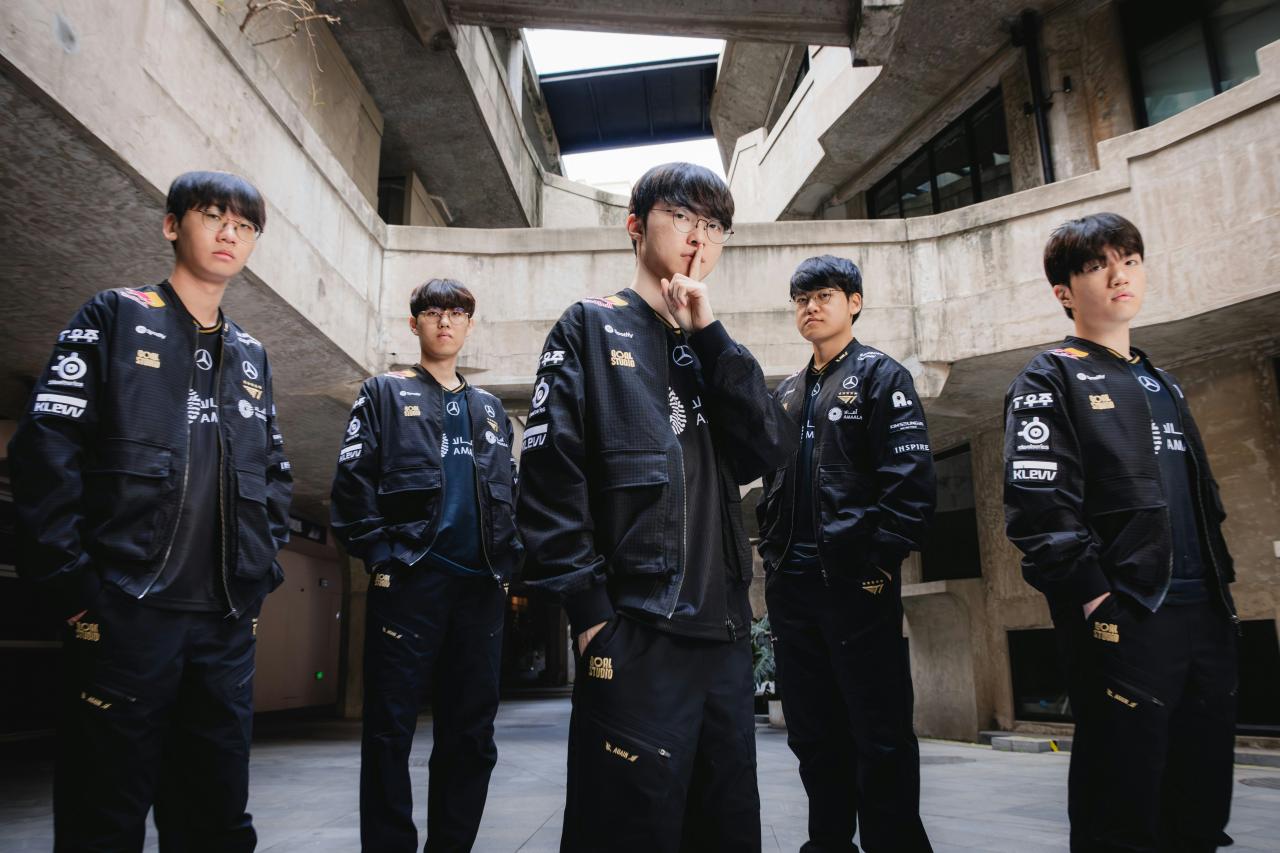

Introduction: The Stage Where Digital Legends Are Forged
The world of competitive gaming, commonly known as esports, has transitioned from a niche hobby into a global sporting powerhouse, commanding massive viewership, substantial investments, and astronomical prize pools. These prestigious competitions are the modern-day gladiatorial arenas, where the mental agility and mechanical skill of professional players are tested under the harshest spotlight imaginable. To reach the highest echelons of this field requires years of dedication, grueling practice schedules, and an unwavering commitment to teamwork and adaptation.
These tournaments are not just games; they are the ultimate performance review for players, proving grounds for revolutionary strategies, and cultural touchstones for millions of dedicated fans. Winning one of these major events is a career-defining moment, instantly granting legendary status and securing a player’s legacy in the digital annals of history. The sheer scale and production value of today’s finals rival traditional sports championships, often filling massive stadiums and generating media attention far beyond the gaming community. This exploration delves into the major events that define this industry, showcasing why they carry such immense prestige and what it takes for teams to emerge victorious from such fierce global competition.
Defining Esports Prestige: More Than Just Prize Money
While large prize pools are often the headline feature, true prestige in esports stems from several deeper, interconnected factors that affirm a tournament’s historical and cultural significance.
A. Historical Significance and Legacy
The longest-running and most consistent tournaments carry an inherent weight, building a legacy that connects current champions to past legends.
-
The Founders’ Stage: Events that started when esports was still nascent are often viewed as the cultural bedrock of their respective games.
-
Unbroken Tradition: Consistency in hosting the tournament annually, maintaining the same format, and celebrating its past winners solidifies its prestige.
B. Global Representation and Scale
A truly prestigious competition must draw the best teams from every major region across the globe, ensuring the winner is the undisputed world champion.
-
Regional Qualifiers: The inclusion of rigorous, globally diversified qualification circuits ensures only the most dominant teams from each continent make the cut.
-
Diverse Metagame: The mixing of regional strategies at the world level creates a dynamic and unpredictable competitive environment.
C. Viewer Metrics and Cultural Impact
The total number of hours watched and the ability to penetrate mainstream media are vital signs of a competition’s widespread influence.
-
Peak Concurrent Viewers (PCU): Record-breaking PCU numbers demonstrate the event’s ability to capture the attention of the global fanbase simultaneously.
-
Non-Endemic Sponsorships: The interest shown by major non-gaming brands confirms the competition’s status as a legitimate, high-profile spectator sport.
D. The Difficulty of Winning
The format and competition level must be so challenging that securing the title is a genuine rarity, often leading to very few repeat champions.
-
High-Stakes Brackets: Tournaments utilizing double-elimination formats ensure that even a single mistake can be devastating, demanding consistency.
-
Best-of-Five Series: Grand Finals that stretch across multiple games require immense psychological and physical endurance from the competing teams.
Pillar 1: The MOBA Global Championships
The Multiplayer Online Battle Arena (MOBA) genre hosts some of the most fiercely competitive and highly visible tournaments in all of esports.
1. The International (TI) – Dota 2
The International is synonymous with enormous stakes, representing the peak of competitive Dota 2 and consistently holding the record for the largest prize pool in esports history, often funded by the community itself.
A. The Aegis of Champions: This physical trophy is the ultimate symbol of victory, signifying the winner’s eternal place in Dota 2 lore.
B. Community-Driven Prize Pool: A significant portion of the prize money comes directly from the sales of the seasonal “Battle Pass” or “Compendium,” creating a deep bond between fans and the event.
C. The True Underdog Story: Due to the game’s complexity, TI often sees massive upsets, making the tournament highly unpredictable and exciting to watch.
D. Meta-Defining Performance: The drafts and strategies pioneered at TI often dictate how the entire game is played for the following year, influencing millions of casual players.
E. Cultural Pilgrimage: For many dedicated fans, attending The International is a sacred annual event, a testament to the game’s enduring emotional investment.
2. League of Legends World Championship (Worlds)
Worlds is an annual spectacle that boasts a level of production quality and structural maturity unmatched by most other esports events.
A. The Summoner’s Cup: Winning this trophy grants global supremacy in League of Legends and is the career objective of every professional player.
B. Decades of Structure: The event benefits from Riot Games’ sophisticated system of regional leagues, ensuring the teams that qualify are the absolute elite of their respective regions.
C. Cross-Media Promotion: The event is famous for its elaborate opening ceremonies, original theme songs, and high-quality cinematics that attract non-gaming viewers.
D. The “LCS/LEC/LCK/LPL” Showdown: The deep-seated regional rivalries add narrative depth, especially the perpetual struggle between Eastern and Western teams.
E. Massive Stadium Attendance: Worlds regularly sells out arenas and stadiums in major global cities, highlighting its mainstream appeal and logistical excellence.
Pillar 2: First-Person Shooter (FPS) Classics
FPS games have been a competitive staple since the dawn of esports, and their major championships reward pinpoint accuracy, lightning reflexes, and perfect tactical communication.
1. The BLAST Major (Counter-Strike 2/CS2)
The Majors are the pinnacle events within the Counter-Strike circuit, officially sanctioned and backed by the game’s developer.
A. Skill-Based Purity: CS2’s competitive scene is revered because it minimizes randomness and ability-based mechanics, focusing almost entirely on aiming, strategy, and team utility.
B. Rarity and Importance: Only a few Majors are held each year, making the opportunity to win highly scarce and incredibly valuable for a player’s resume.
C. The Sticker Economy: Winning a Major significantly increases the value of player and team in-game stickers, tangibly tying virtual cosmetics to real-world competitive success.
D. Consistency Demanded: The grueling Swiss-system bracket and subsequent playoff format test a team’s ability to consistently perform against different styles of play.
E. Legacy of the Lineage: The winning teams are etching their names into a competitive lineage that dates back over two decades, adding historical weight to every victory.
2. The VALORANT Champions Tour (VCT) Champions
Despite being a newer franchise, the VCT system quickly established itself as a top-tier esports spectacle through high production and a structured global ecosystem.
A. Franchised League Structure: The VCT features a series of dedicated, long-term partnered teams, ensuring financial stability and continuous high-level competition.
B. The Agent Meta Dance: The constantly shifting character pool (Agents) and map rotation force teams to be incredibly flexible and innovative with their compositions.
C. The Global Champions Event: The season culminates in the ‘Champions’ event, where the best teams from the global circuit compete for the definitive world title.
D. Strategic Depth of Abilities: Teams must master the precise timing and combination of unique character abilities alongside traditional tactical gunplay, elevating the complexity.
E. Rapid Growth and Investment: The speed with which VALORANT developed a world-class esports infrastructure demonstrated the massive investment and commitment from Riot Games.
Pillar 3: Battle Royale and Fighting Game Tournaments
The inherent chaos of Battle Royale and the raw, one-on-one spectacle of fighting games create unique competitive environments with massive appeal.
1. Fortnite World Cup (FWC)
While less regular than other championships, the Fortnite World Cup delivered some of the most memorable individual player moments and massive prize pots.
A. Individual Glory: The FWC uniquely celebrates solo competitive skill, crowning individual players as the undisputed best in the world.
B. Massive Payouts: The prize money for individual winners has been famously high, highlighting the game’s commercial scale and mass appeal.
C. The Building Mechanic: Mastery of the unique building system, which is essential for survival and offense, separates the elite players from the casuals.
D. Global Accessibility: The qualification process was often open to a wide array of players, making the dream of competing feel more attainable.
E. Creative Expression in Competition: High-level Fortnite play is often a mix of mechanical skill and creative problem-solving under pressure.
2. Evolution Championship Series (Evo)
Evo is the most revered annual fighting game event, celebrated for its raw, unfiltered competitive atmosphere and historical significance across multiple titles.
A. The Ultimate Community Event: Evo is deeply rooted in the grassroots fighting game community (FGC), fostering an atmosphere of intense camaraderie and rivalry.
B. Multi-Title Championship: The event hosts Grand Finals for numerous major fighting games, crowning champions across an entire genre, not just a single title.
C. Raw Skill and Adaptation: Since fighting games are primarily 1v1, success is a pure testament to a player’s individual mechanics and ability to adapt mid-match.
D. Infamous Moments: The tournament has generated countless iconic “hype moments” that are constantly revisited and celebrated across the internet.
E. The Unscripted Drama: Matches are often decided by single, perfect reads or flawless execution, creating high-octane, unpredictable viewer drama.
Pillar 4: Strategic and Real-Time Strategy (RTS) Legacies

Certain prestigious competitions are defined by a singular focus on deep strategic mastery and long-term planning, particularly in the Real-Time Strategy and Trading Card Game genres.
1. StarCraft II Global League (GSL) – South Korea
The GSL is the benchmark for individual skill and strategic development in the StarCraft II world, largely centered in its South Korean homeland.
A. The “Esports Origin” Legacy: StarCraft and its successor have long been considered the purest competitive esports, requiring immense multitasking and micro-management.
B. Relentless Competition: The South Korean scene is notoriously competitive, meaning GSL champions have truly survived the toughest regional gauntlet in the world.
C. Individual Genius: Unlike team-based games, GSL success is entirely dependent on one player’s comprehensive mastery of mechanics and strategy.
D. Code S Prestige: Winning the highest tier, “Code S,” is the ultimate goal, signifying mastery over the game’s complexities.
E. Deep Strategic Variety: The balance between the three races (Terran, Zerg, Protoss) creates a dynamic meta-game that constantly tests players’ knowledge.
2. Magic: The Gathering World Championship
This tournament brings an intellectual depth rarely seen elsewhere, crowning the world champion of the original and most complex trading card game.
A. Intellectual Depth: Success in MTG requires not only perfect in-game execution but also mastery of deck-building, format knowledge, and meta-game prediction.
B. Format Mastery: The competition tests players across multiple formats (Standard, Draft, Modern, etc.), demanding comprehensive knowledge of the entire game.
C. Legacy of the Game: The game’s 30+ year history gives the World Championship immense weight within the traditional gaming community.
D. Mind Games and Reads: The non-digital nature of the original game emphasizes player “tells” and psychological warfare, adding a unique competitive layer.
E. Small Roster, High Skill: While not commanding the largest viewership, the small, highly skilled community regards this title as the ultimate intellectual challenge.
The Future Trajectory of Esports Prestige
The nature of these prestigious competitions is always adapting to technological change and shifting player interests, promising an even more electrifying future.
A. Increased Stadium Integration
More major tournaments will move out of studio settings and into large, traditional sports stadiums, boosting their visibility and ticket revenue.
B. Enhanced Player Protection
Greater standardization of contracts, player unions, and mental health support will further professionalize the careers of esports athletes, adding legitimacy.
C. Globalized Talent Development
We will see more systematic global scouting and development pipelines, similar to traditional sports, to ensure the consistent emergence of elite talent from all regions.
D. Deepening Media Narratives
Documentary filmmaking and integrated storytelling will become standard, building even richer narratives around star players and team rivalries for viewers.
E. Virtual and Mixed Reality Integration
Future tournament broadcasts may incorporate AR and VR elements, giving viewers new perspectives and more immersive ways to spectate the action.
Conclusion: An Enduring Testament to Competitive Spirit

The greatest competitions in the world of gaming are truly remarkable spectacles of human performance and skill. They represent the ultimate clash of strategy, mechanics, and unwavering dedication under immense pressure. Winning these tournaments provides more than just wealth; it bestows an eternal and global legacy on the players. The continuous evolution of these events ensures that the bar for competitive excellence is always being raised higher and higher. The prestige associated with these championships is a direct reflection of the commitment and passion from players and fans alike. Esports has firmly established itself as a permanent fixture in the global entertainment and sports landscape. The excitement generated by a Major or a World Championship is now undeniable, capturing the imagination of millions worldwide. The journey to the top is unforgiving, but the glory of hoisting the championship trophy is unparalleled.